Odour and Emission Control in Technical Rubber Manufacturing Units: A Path Toward Sustainable Operations
Introduction
Ever walked into a rubber manufacturing plant and been hit by that strong, unmistakable smell? If so, you’re not alone. The odour from technical rubber manufacturing isn’t just a nuisance, it’s a complex mix of chemicals, process emissions, and, if left unmanaged, a regulatory and community relations challenge. But here’s the good news: odour control in rubber plants is 100% solvable!
Natural Rubber or processed latex is used in different industrial applications. But generally, it is not directly used. Raw natural rubber has several limitations that make it unsuitable for direct industrial use, especially in applications like tires, gaskets, conveyor belts, and industrial rubber products. Therefore, it undergoes further processing to make it technically fit for most of the industrial applications, making it Natural Technical Rubber (NTR). Technical rubber is important as it ensures consistent performance, improved processability, meets global standard and is sustainable alternative to synthetic rubber.
The key properties of Natural Technical Rubber are the following
- High Elasticity & Resilience – Excellent for shock absorption
- Tear & Abrasion Resistance – Ideal for tires, belts, and seals
- Heat & Aging Resistance – Improved through processing
- Low Impurities – Consistent quality for industrial processing
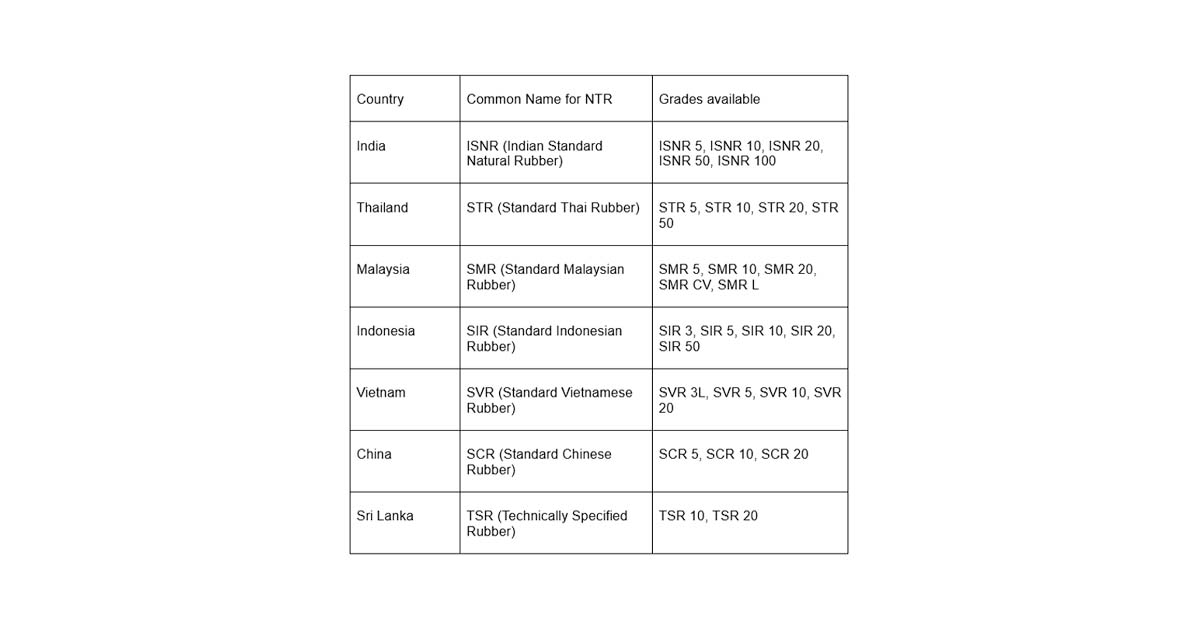
Different countries have specific grading systems for NTR, commonly known as Technically Specified Rubber (TSR); in India it is known by the name ISNR (Indian Standard Natural Rubber), in Thailand its STR (Standard Thai Rubber), in Malaysia its SMR (Standard Malaysian Rubber) etc. TSR 20 is the most used grade worldwide, primarily in tires, industrial rubber products, and conveyor belts.
Technical rubber manufacturing supports key industries such as automotive, aerospace, construction, and healthcare. However, one persistent challenge is the emission of strong odours caused by the release of volatile organic compounds (VOCs), sulfur compounds, and other airborne contaminants during processes like vulcanization, compounding, and extrusion.
Odour emission control is essential for regulatory compliance, worker health, and maintaining harmonious community relations. Below, we explore the root causes of odours, the associated challenges, and solutions for effective odour management.
What Causes Odour in Rubber Manufacturing?
- Vulcanization Process: The cross-linking of rubber molecules using sulfur or peroxides releases hydrogen sulfide (H₂S), mercaptans, and other sulfur-containing compounds, which have a strong, unpleasant odour.
- Rubber Compounding: The addition of processing oils, resins, and chemical accelerators can lead to the release of VOCs such as benzene, toluene, and styrene, contributing to odour emissions.
- Mixing and Extrusion: The heating of rubber compounds during mixing and extrusion generates fumes containing hydrocarbons, ammonia, and organic acids.
- Solvent-Based Adhesives: The use of solvents in rubber processing and finishing results in emissions of volatile organic compounds, which can cause odour issues.
- Wastewater Treatment: The presence of organic contaminants and residual chemicals in wastewater can generate odorous gases such as ammonia, hydrogen sulfide, and methane.
Challenges in Odour Control
- Complex Chemical Composition: Odours from rubber manufacturing are caused by a mix of chemicals with varying volatility, making them difficult to capture and neutralize.
- High Temperature Processes: Many rubber processing steps occur at elevated temperatures, which increases the volatilization of odour-causing compounds.
- Regulatory Compliance: Strict environmental regulations require manufacturers to adopt effective odour control measures, necessitating investment in advanced technologies.
- Workplace Safety: Exposure to odorous emissions can cause headaches, nausea, and respiratory irritation, impacting worker health and productivity.
- Community Complaints: Persistent odour issues can lead to complaints from nearby residential areas, potentially resulting in legal and operational challenges.
Effective Odour Control Solutions
1. Process Optimization
- Implementing closed-system processing and efficient material handling techniques can help reduce odour emissions at the source.
- Using low-odour or alternative raw materials in rubber formulation can minimize the release of volatile compounds
2. Activated Carbon Filtration
- Activated carbon filters are highly effective in adsorbing VOCs and sulfur compounds from process air.
- These filters can be installed in ventilation systems to capture odorous gases before they are released into the atmosphere.
3. Biofiltration Systems
- Biofilters use microorganisms to break down odorous compounds into non-volatile byproducts.
- This eco-friendly approach is particularly effective for treating hydrogen sulfide and organic odours from exhaust air streams.
4. Chemical Scrubbing
- Wet scrubbers use chemical reagents to neutralize acidic and basic odorous compounds.
- Commonly used scrubbing agents include sodium hydroxide for acidic gases and sodium hypochlorite for organic odours.
5. Thermal Oxidation
- Thermal oxidizers combust VOCs and odour-causing compounds at high temperatures, converting them into harmless CO₂ and H₂O.
- Regenerative thermal oxidizers (RTOs) improve energy efficiency and are suitable for large-scale rubber manufacturing facilities.
Emission Control = Operational Excellence
For technical rubber manufacturers, effective odour and emission control is no longer just a compliance checkbox — it is part of being a future-ready manufacturer. From regulatory resilience to supply chain credibility to employee satisfaction, clean air initiatives deliver far-reaching operational and business benefits. The best companies aren’t just reacting to complaints; they’re proactively investing in sustainable solutions.
Elixir Enviro Systems’ Role in Odour Control
At Elixir Enviro Systems, we provide customized odour control solutions for technical rubber manufacturing units. Our expertise includes:
- Biofiltration Systems: We design and install biofilters that use natural microorganisms to break down odorous compounds efficiently, ensuring compliance with environmental regulations.
- Chemical Scrubbing: Our advanced wet scrubbers neutralize harmful sulfur compounds and VOCs, reducing odour emissions effectively.
- Activated Carbon Adsorption: We offer activated carbon filtration solutions to capture airborne contaminants and improve air quality in rubber manufacturing plants.
- Odour Monitoring & Assessment: Our onsite odour measurement and assessment services help identify odour sources and recommend targeted control strategies.
- Pilot Studies & Custom Solutions: We conduct pilot studies to evaluate the best odour control technologies for specific industrial processes, ensuring optimal results.
By implementing our innovative and sustainable odour control solutions, rubber manufacturers can achieve regulatory compliance, enhance workplace safety, and improve community relations.
Conclusion
Odour control in technical rubber manufacturing isn’t just about meeting regulations — it’s about creating a safer workplace, protecting the environment, and strengthening your brand’s commitment to sustainable practices. By combining process optimization with advanced treatment technologies, manufacturers can significantly reduce odour emissions and enhance operational performance.
At Elixir Enviro Systems, we specialize in comprehensive, customized odour control solutions for rubber manufacturing and other industrial sectors. From biofilters to chemical scrubbers to advanced monitoring solutions, we help you stay compliant, sustainable, and community-friendly.
Odour Control in the Spices Industry: Challenges & Solutions
The spices industry is a vital sector in food processing, contributing to the global demand for flavouring and seasoning. However, it also faces a significant challenge—strong odour emissions. The pungent aromas released during spice grinding, roasting, and packaging can create discomfort for workers, affect air quality, and lead to complaints from nearby communities. Effective odour control measures are essential for compliance with environmental regulations and maintaining a healthy workplace.
Understanding the Sources of Odour in the Spices Industry
Spices, due to their natural volatile compounds, produce strong aromas, especially during processing. The main sources of odour emissions include:
1. Grinding & Milling
The mechanical process of grinding spices like chili, pepper, and turmeric releases fine dust and aromatic compounds into the air, contributing to odour issues.
2. Storage & Handling
Spices contain essential oils and volatile compounds that permeate storage facilities, causing persistent odours, especially in humid environments.
3. Drying & Roasting
Heat treatment of spices intensifies their natural aromas, leading to the release of strong odour emissions that can travel far beyond processing areas.
4. Waste & By-products
Rejected spices, dust, and other organic waste from processing can decompose and release unpleasant odours if not properly managed.
Spice Extraction Facilities and Processes
Some spice industries also have extraction facilities to derive essential components from raw spices. These processes are used to obtain concentrated spice extracts that are widely used in food, pharmaceuticals, and cosmetics.
Extraction Processes
- Solvent Extraction: Organic solvents like ethanol or hexane are used to dissolve active compounds, which are then separated and purified.
- Supercritical Fluid Extraction (SFE): This advanced technique uses CO₂ under high pressure to extract essential oils and active ingredients efficiently.
- Steam Distillation: Used mainly for extracting essential oils from spices such as cloves and cinnamon.
- Cold Press Extraction: A mechanical method used for obtaining oils without heat application, preserving the natural properties of the extract.
- Enfleurage – A rare but effective technique that uses fat to absorb aromatic compounds from delicate spices and flowers.
Extracted Products
- Essential Oils: Used in food flavoring, aromatherapy, and perfumery (e.g., clove oil, cinnamon oil).
- Capsaicinoids: The active component in chili peppers, used in pharmaceuticals and as a food additive.
- Curcuminoids: Extracted from turmeric, widely used for its medicinal and antioxidant properties.
- Oleoresins: Concentrated spice extracts used in the food industry for flavoring.
Impact of Odour Emissions
While the natural aroma of spices is desirable in food preparation, uncontrolled odour emissions from industrial processing can have negative consequences:
- Environmental Complaints – Strong spice odours can spread to surrounding residential or commercial areas, leading to complaints and possible regulatory action.
- Health Concerns – Prolonged exposure to strong spice aromas can cause respiratory irritation, headaches, and allergic reactions among workers.
- Workplace Air Quality – A heavily scented atmosphere may lead to discomfort, reduced productivity, and health issues among employees.
Odour Control Strategies for the Spices Industry
1. Ventilation & Airflow Management
- Installing high-efficiency ventilation systems ensures rapid dispersion of odours.
- Local exhaust systems at grinding and roasting stations help contain odours before they spread.
- Air filtration systems can remove fine spice particles from the air, improving indoor air quality.
2. Industrial Air Scrubbers
- Wet scrubbers use water or chemical solutions to neutralize odour-causing compounds before releasing air into the environment.
- Dry scrubbers with activated carbon effectively capture volatile organic compounds (VOCs) from spice processing.
3. Biofiltration
- Biofilters use natural microbial action to break down odour-causing compounds into harmless substances.
4. Enclosure & Containment Strategies
- Airtight processing chambers and enclosed conveyance systems minimize the release of odours.
- Storage rooms with controlled ventilation prevent spice odours from spreading to other areas.
5. Waste Management Optimization
- Proper disposal and composting of spice dust and organic waste significantly reduce odour emissions.
- Aeration and chemical treatment of waste bins prevent the buildup of odour-causing bacteria and decomposition gases.
How Elixir Enviro Systems Supports the Spices Industry
At Elixir Enviro Systems, we specialize in providing comprehensive odour control solutions tailored for the spices industry. Our expertise includes:
- Customized Biofiltration & Scrubber Systems to neutralize odours effectively.
- Onsite Odour Measurement & Monitoring to assess and mitigate odour emissions.
- Advanced Ventilation & Airflow Optimization for better workplace air quality.
- Sustainable & Eco-friendly Odour Solutions designed to meet industry regulations.
- Pilot Studies & Consultation Services to develop and implement the best odour control strategies for spice processing facilities.
Our cutting-edge technology ensures that spice manufacturers can operate efficiently while maintaining compliance with environmental standards and fostering a healthier workplace.
Conclusion
Odour control is a critical aspect of the spices industry, ensuring regulatory compliance, workplace safety, and positive community relations. By adopting advanced ventilation systems, biofiltration, scrubbers, and proper waste management strategies, spice manufacturers can effectively reduce odour emissions and improve air quality.
At Elixir Enviro Systems, we specialize in providing tailored odour control solutions designed to address the unique challenges of spice processing facilities. With our expertise and innovative technologies, businesses can create a cleaner, healthier, and more sustainable production environment
An Insight into Odour Control in Reclaim Rubber Factory
ODOUR POLLUTION
Odour emission from industrial and commercial establishment invariably attracts adverse public attention. Regulatory agencies have closed down industries because of odour complaints. Odour also affects worker health and labour relations. Until the development of gas biofilters, odour control system was expensive and inefficient.
RUBBER RECLAIMING
Rubber reclaiming refers to the process of reclaiming rubber from scrap tyres. Tyres are ground to small particles and subjected to devulcanizing. After devulcanizing the rubber is soft and can be compounded with additives and rolled into sheets that can be used as a raw material in the manufacture of new tyres. Chemical reclaiming uses devulcanizing chemicals and high temperature and pressure (20-22 bar) to soften ground rubber. These chemicals are aromatic organic compounds. The reaction is carried out in autoclave as batches. At the end of the reaction, the devulcanized mash is discharged after autoclave pressure is released.
SOURCES OF ODOUR
The autoclave pressure release contains a large amount of volatile organic compounds. Many of these are sulphur containing organic compounds formed from devulcanizing of rubber, which is essentially breaking of sulphur cross-linkages in vulcanized rubber. If condensed, the condensates from autoclave steam release, is extremely foul smelling and hence is an effluent discharge issue. The soft rubber mash discharged from autoclave is hot and is a source of odourous vapours. Another source is the handling and working of rubber during maceration and sheeting.
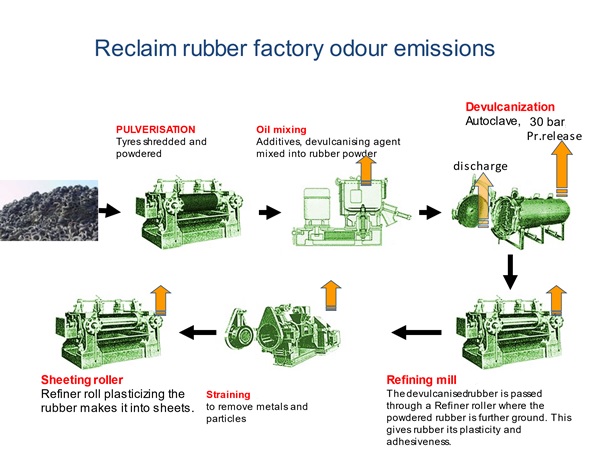
Figure 1: The orange upward arrow shows odour emission sources
ODOUR CONTROL
Hot autoclave release emissions are treated separately by direct incineration in the factory boiler. Scientifically calculated and automatically controlled release of vapour ensures complete combustion while boiler firebox temperatures are unaffected. The incineration system not only destroys odour but also eliminates effluent. The remaining low strength, low temperature vapour is better treated in the Biofiltration unit.
Biofiltration uses micro-organisms to remove undesirable components from industrial waste gases. Waste gases are forced through filter material on which micro-organisms are immobilised. After absorption in the filter material, micro-organisms break down the polluting components and transform them into harmless products such as carbon dioxide, mineral salts or acids and water. Biological waste air treatment processes offer a cost-effective solution for the treatment of large volumetric airstreams containing low levels of pollutants. They have found use in a broad spectrum of industries. Biofiltration is distinguished by its low operating costs, low maintenance requirements and low energy requirements. Properly designed biofilter achieve very high odorant removal efficiency (>99%).
Biofilters can be designed as low-cost open systems with single stage media. Where land is not available, biofilters can be provided as multi-storey units. Biofilters can also be located on roof of factory buildings to have maximum space savings.
ELIXIR BIOFILTER TECHNOLOGY
EES undertakes careful study of customer requirements before design of the odour control system. The most important step in the design of a successful odour control system is that characterisation and estimation of quantity of odour emissions. In most cases, direct measurement of quantity of emissions is impossible. It requires considerable skill and creativity to make reasonable estimates required for design.
Pre-treatment requirements and media composition have to be selected to suit the emission characteristics. Hot gases have to be cooled and humidified before biofiltration. Elixir Enviro Systems Pvt Ltd (www.elixirenviro.in) designs the ventilation system required to collect odour from open spaces like dumps or sumps and closed spaces such as sheds. Gas biofilter are best suited for emissions with low VOC concentration. For high strength emissions such as pressure reactor release, EES designs incineration system for odour control.
EES is biofilter media is advanced proprietary development originally based on license from the patented biofilter media of CSIR-NIIST. The media marketed by EES is known for its high-performance, low-cost BIOFILTER MEDIA. It features
Guaranteed performance and life
very low pressure drop,
Plug and play start-up to maximum activity,
high water holding capacity
green eco-friendly material
This biofilter media has the ability to accommodate highly varying “puff” loads which is a common occurrence from may industrial sources.
Bacteria are at the heart of a successful biofilter and a key factor is the growth of suitable microbial population. EES (www.elixirenviro) brings experience of Odour Control system in different fields and internationally recognized competence in biological treatment systems to guarantee biofilter performance.