Sustainable Rendering for a Circular Economy: Odour Control in Rendering Plants as a Pathway to ESG Excellence
Industrial rendering plants across India and the globe face one major environmental challenge — odour. Effective odour control in rendering plants is crucial not only for environmental compliance but also for community wellbeing and sustainable industrial growth. The rendering industry plays a crucial role in protecting the environment. Generally, a rendering plant collects animal byproducts such as offal, fat, bones and carcasses from animal slaughterhouses, butcher shops, supermarkets (markets) and farms and turn them into usable materials like tallow, grease and bonemeal. These materials are then used for the manufacturing of a variety of products soaps, animal feed (including pet-feed) and some industrial items. Yet, it carries one unavoidable challenge — odour & high strength wastewater. In this blog we would like to cover, how to handle the pungent, persistent smell from rendering operations, which is one of the most complex environmental issues industries face today. Odour emissions are not merely an inconvenience; they directly influence community relations, regulatory compliance, and the public image of the company. For progressive industries, this challenge has become a defining factor in their sustainability and ESG (Environmental, Social, and Governance) strategies.
At the forefront of this transformation are modern engineering solutions like those deployed by Elixir Enviro Systems that combine science, environmental responsibility, and innovation to create cleaner, more sustainable air treatment systems for rendering plants.
Where Does Odour Come from in Rendering Plants?
To control odour effectively, one must first understand its origin. Rendering plants handle raw animal materials such as offal, blood, bones, feathers, and fat residues. During processing, cooking, drying, and pressing, these organic materials decompose, releasing volatile organic compounds (VOCs), hydrogen sulfide (H₂S), ammonia, mercaptans, and amines. These compounds are potent even in low concentrations. For instance, hydrogen sulfide is noticeable at just a few parts per billion and produces a strong “rotten egg” smell, while mercaptans smell even stronger and are often detected far from the source. Uncontrolled odour can travel over large distances, affecting nearby communities, attracting complaints, and even halting production due to environmental violations. Hence, rendering plants increasingly rely on engineered odour control systems designed to target these compounds through physical, chemical, and biological means.
Why Odour Control Matters Beyond Compliance
The modern rendering industry is evolving. Regulations now demand comprehensive environmental management systems that align with ESG and sustainability commitments. Odour control has become a key ESG indicator because it reflects a plant’s environmental responsibility, social accountability, and operational transparency.
A robust odour control strategy brings measurable advantages:
- Regulatory compliance with pollution control boards(regulatory agencies) and environmental agencies
- Improved community relations by reducing complaints and promoting goodwill
- Enhanced workplace safety through improved air quality
- Stronger ESG reporting that aligns with global sustainability frameworks
- Better brand reputation, as odour-free operations symbolize responsible industry practices
Companies like Elixir Enviro Systems have recognized that odour control isn’t just an environmental requirement — it’s an operational necessity and a reputational advantage.
Engineering the Air: How Rendering Plants Can Achieve Effective Odour Control?
Odour control in rendering plants is a multi-layered process that requires understanding of airflow patterns, pollutant chemistry, and microbial treatment. Below are the most effective engineering strategies used globally — adapted and optimized for Indian and international industries by Elixir Enviro Systems.
1. Capture and Containment
The first step in managing odour is preventing its escape. This involves designing airtight a good ventilation systems to capture emissions from:
- Cookers and dryers
- Pressing and decanting units
- Fat and meal storage tanks
- Blood drying systems
A proper ventilation system ensures that all air carrying odourous compounds is directed to a centralized treatment unit instead of being released into the atmosphere. This not only minimizes fugitive emissions but also improves the efficiency of odour control technologies.
2. Chemical Scrubbing Systems
Scrubbers are among the most reliable methods for treating high-intensity odour streams. In these systems, acidic or alkaline solutions are used to neutralize gases such as the alkaline odourous compounds like ammonia, & the acidic odourous compounds like hydrogen sulfide.
Elixir’s engineered scrubber designs optimize contact time and chemical efficiency, ensuring minimal chemical consumption with maximum odour removal. Multi-stage scrubbers are often used to treat mixed compounds, for instance, an acid scrubber followed by an oxidizing scrubber for complete neutralization.
3. Biological Odour Control Units
Biological systems utilize microorganisms to naturally degrade odourous gases into harmless compounds such as carbon dioxide and water. They are sustainable, cost-effective, and energy-efficient solutions for continuous odour control.
Biofilters:
Biofilters use organic or synthetic media to absorb and biologically degrade VOCs, ammonia, and H₂S. They achieve 85–95% odour removal efficiency and are ideal for air from enclosed conveyors, pits, and dryers. Regular media maintenance ensures consistent performance.
Biotrickling Filters:
These systems use synthetic packing material continuously irrigated with nutrient-rich water, supporting microbial activity for odour degradation. They achieve 90–98% efficiency and are suitable for high-concentration ammonia and H₂S streams, though they require controlled water and nutrient supply.
Bioscrubbers:
In bioscrubbers, odourous air passes through a liquid medium containing active microorganisms that degrade water-soluble pollutants. They achieve 80–90% efficiency, ideal for ammonia-rich odours, but require additional water treatment and energy for recirculation.
4. Thermal and Catalytic Oxidation
For rendering facilities with very high VOC loads, thermal oxidation or catalytic oxidation provides complete destruction of odourous gases. These systems operate by heating the contaminated air to high temperatures, breaking down volatile compounds into simple molecules like CO₂ and H₂O.
5. Activated Carbon Filtration
In specific sections such as product handling areas or packaging zones, activated carbon filters are used to polish residual odours. The porous carbon material adsorbs remaining organic compounds, ensuring the final discharge is nearly odourless. These systems complement biofilters and scrubbers, creating a multi-barrier odour treatment process. Activated carbon filters work as adsorption media, and therefore generally the carbon units are not recommended for high odour emission industries such as the rendering plants.
6. Plasma Technology:
Emerging non-thermal plasma systems use high-energy electrons to break down odourous molecules at 85–95% efficiency. They are compact and efficient for many contaminants. But not have seen any case study or related document showing use case in the rendering industry. but involve higher operational and maintenance costs due to electrode replacement requirements.
7. Combination Treatments for Odour Control
In many cases, combining technologies improves overall efficiency and ensures comprehensive odour removal across multiple sources.
Common hybrid systems include:
Chemical Scrubber + Biofilter:
The pretreatment with chemical scrubbers followed by the Biofilter for polishing seems ideal choice for the Odour Control from the Rendering plants. This combination can ensure the air for total efficiency up to 99%.
Thermal Oxidation + Biofilter:
Used in facilities with separate odour streams, where intense odours are treated thermally and moderate ones biologically, balancing cost and performance.
Biofilter + Activated Carbon Filter:
Biofilter removes major odorous gases (85–95%), and activated carbon filters polish the air for total efficiency up to 99% — ideal for reception pits and enclosed areas.
Chemical Scrubber + Biotrickling Filter:
This pairing achieves up to 95–98% total efficiency, handling mixed acid and alkaline gases effectively in high-odour-load plants.
Chemical Scrubber + Activated Carbon Filter:
Scrubbers neutralize H₂S and ammonia, while carbon filters remove VOCs — giving 95–99% efficiency, ideal for plants with multiple odour sources.
Though biological odour control units are very efficient, the use of biological systems alone for rendering plants is not advisable. As the load is very high from the rendering plants, the biological treatment units shall take up a very large floor space. Hence in the case of rendering plants it is always better to have a combination treatment. These hybrid systems are customized based on air volume, odour type, and emission intensity, ensuring optimized cost and performance for every rendering plant.
Integrating Wastewater and Air Odour Control
Apart from the challenges of having high strength wastewater, the wastewater treatment plants in Rendering plants also can release secondary odour during collection and treatment. By integrating wastewater treatment with air odour management, facilities can prevent odour migration from open tanks, sludge drying beds, and effluent channels.
Elixir’s integrated design approach combines:
- Covered tanks and pipelines to limit volatilization
- Anaerobic digesters for biogas capture and reduction of load
- High rate Biological Nutrient Removal (BNR) plants to remove both COD and nutrients
- Odour scrubbers for headspace gases
This holistic design ensures consistent odour control throughout the plant, maintaining compliance and environmental integrity. The details of the wastewater treatment maybe discussed in a separate blog.
Odour Control Regulations and Standards
In India, the Central Pollution Control Board (CPCB) and respective State Pollution Control Boards (SPCBs) set strict emission standards for rendering operations under the Air (Prevention and Control of Pollution) Act, 1981, but at present the CPCB doesn’t give specific regulation on Odour control in India.
Globally, regulatory bodies such as the U.S. Environmental Protection Agency (EPA) and the European Union’s Industrial Emissions Directive (IED) also enforce odour and air quality standards for animal by-product processing facilities.
Elixir Enviro Systems ensures that every system — from scrubbers to biofilters — is designed to meet or exceed these emission norms, helping clients maintain environmental compliance both in India and worldwide
Smart Monitoring and Modelling: The Future of Odour Management
Modern odour control goes beyond physical systems — it now integrates real-time data, digital simulations, and predictive monitoring for better performance and compliance. Elixir Enviro Systems utilizes advanced odour dispersion modelling to predict and assess odour behaviour under varying operating conditions. This enables engineers to optimize air capture points, ventilation strategies, and treatment system capacity with greater accuracy. Onsite odour monitoring units continuously measure parameters such as hydrogen sulphide (H₂S) and ammonia concentrations, allowing proactive intervention before odour complaints or threshold exceedances occur. This data-driven approach enhances transparency and supports ESG (Environmental, Social, and Governance) reporting by providing measurable, verifiable environmental performance indicators.
ESG in Action: How Odour Control Reflects Environmental Commitment
Rendering facilities are now integral to circular economy models, transforming waste into value. But to remain sustainable, they must operate within the boundaries of environmental stewardship. Odour control is one of the most visible reflections of ESG compliance. It demonstrates commitment to:
- Environmental goals: reducing emissions and protecting air quality.
- Social responsibility: improving community health and relations.
- Governance: maintaining transparent, data-backed environmental performance.
Elixir Enviro Systems aligns its technologies with these ESG pillars, helping industries not only meet legal standards but also exceed them — turning odour control into an opportunity for sustainable growth.
Elixir Enviro Systems: Delivering Advanced Odour Control Solutions for Rendering Plants
Elixir Enviro Systems is a leading provider of industrial odour control solutions for the rendering industry, helping facilities eliminate nuisance emissions and meet the highest environmental standards. With decades of expertise in air treatment, wastewater management, and environmental engineering, we deliver custom-built systems that ensure cleaner air and sustainable operations. Our odour control solutions for rendering plants combine chemical scrubbers, biofilters, biotrickling filters, and hybrid systems designed to treat complex odourous compounds such as hydrogen sulfide (H₂S), ammonia, amines, and volatile organic compounds (VOCs). Each system is engineered for high efficiency, achieving up to 95–99% odour removal while minimising energy use and maintenance costs.
Key strengths of our rendering-specific systems include:
- End-to-End Design and Installation: From air capture ducts and exhaust systems to treatment units and stack dispersion.
- Hybrid Odour Control Systems: Combining biological and chemical filtration to manage varying odour loads efficiently.
- Onsite Odour Monitoring: Continuous H₂S and ammonia measurement for real-time performance tracking and compliance.
- Integrated Wastewater and Sludge Odour Control: Managing emissions from process water, condensate, and sludge handling.
By integrating these systems, Elixir Enviro Systems helps rendering facilities move beyond compliance — transforming odour control into a strategic sustainability advantage. Our goal is to engineer odour-free, community-friendly, and ESG-aligned rendering operations that reflect true environmental responsibility.
Conclusion
Odour control in rendering plants is no longer just about removing smells — it’s about engineering a cleaner, more responsible future for industries that serve the circular economy. With advanced air treatment systems, integrated wastewater solutions, and data-driven monitoring, companies can now operate efficiently, meet stringent regulations, and maintain community trust.
Elixir Enviro Systems continues to pioneer this transformation — designing and delivering odour control systems that redefine sustainability in rendering operations. By combining innovation with environmental ethics, the industry can truly render change — for the planet and its people.
Looking to Upgrade Odour Control in Your Rendering Facility?
Connect with Elixir Enviro Systems — specialists in designing end-to-end odour management solutions tailored to your process. From advanced scrubbers, biofilters, and hybrid systems to real-time monitoring and wastewater treatment, we ensure performance, compliance, and peace of mind.
Explore more about our Industrial Odour Control and Wastewater Treatment Solutions at www.elixirenviro.in.
FAQs on Odour Control in Rendering Plants
1. What is a rendering plant?
A rendering plant is a facility that processes animal by-products — such as offal, fat, bones, and carcasses — collected from slaughterhouses, butcher shops, supermarkets, and farms. The goal is to convert waste materials into valuable, reusable products like tallow, grease, and bone meal, which are later used in the manufacture of soaps, animal feed (including pet food), fertilizers, and various industrial goods.
2. What are different types of rendering?
Rendering plants are classified into edible and inedible types. Edible rendering plants process clean, food-grade by-products from slaughterhouses and meat processing facilities to produce edible fats like tallow and lard used in food and cosmetics. Inedible rendering plants, on the other hand, handle materials unfit for human consumption—such as carcasses, condemned meat, and offal—to produce non-edible tallow, grease, and meat and bone meal used in animal feed, biodiesel, and industrial applications.
Based on the processing method, rendering can also be categorized as wet rendering and dry rendering. Wet rendering uses steam or hot water to separate fat from solids, yielding higher-quality fat but consuming more energy and water. Dry rendering involves heating materials without water and separating fat mechanically—an energy-efficient process suited for inedible rendering but with stronger odour emissions. Plants may also operate in batch or continuous modes, depending on scale and production demand. Together, these variations define how rendering plants operate to balance efficiency, product quality, and environmental control.
3. What causes odour in rendering plants?
Rendering plants generate odour from the decomposition of animal by-products such as fat, blood, and offal. During processes like cooking, drying, and storage, gases containing hydrogen sulfide (H₂S), amines, and volatile organic compounds (VOCs) are released. Without proper control, these emissions can cause strong, unpleasant odours and environmental complaints.
4. What are the most effective odour control technologies for rendering plants?
The most effective odour control systems combine biological and chemical treatment methods. Technologies like biofilters, biotrickling filters, and chemical scrubbers remove odourous gases efficiently. In many facilities, hybrid systems — combining biological and non-biological units — achieve up to 99% odour removal efficiency, ensuring regulatory compliance and community satisfaction.
5. How do biofilters help in odour control?
Biofilters use naturally occurring microorganisms to degrade odorous compounds into harmless by-products such as water and carbon dioxide. They are highly effective against amines, mercaptans, and reduced sulfur compounds, offering 85–95% odour removal efficiency. Biofilters are also sustainable, low-maintenance, and ideal for continuous operation in rendering facilities.
6. What are hybrid odour control systems?
Hybrid odour control systems integrate multiple technologies—such as chemical scrubbers with biofilters, or biotrickling filters with chemical scrubbers, Thermal systems & Biological units—to handle diverse odour compounds. This multi-stage treatment ensures maximum odour removal efficiency and consistent air quality, even in high-load rendering operations.
7. How does Elixir Enviro Systems help rendering plants manage odour?
Elixir Enviro Systems provides custom-engineered odour control solutions specifically for rendering plants. Their systems include biofilters, chemical scrubbers, biotrickling filters, and hybrid combinations that effectively remove H₂S, ammonia, VOCs, and amines. Elixir also offers onsite monitoring, wastewater odour treatment, and pilot studies to ensure optimal performance and long-term sustainability.
8. Why is odour control important for sustainability and ESG compliance?
Effective odour control demonstrates a rendering plant’s commitment to environmental, social, and governance (ESG) principles. By reducing air emissions, improving workplace and community health, and ensuring transparent environmental performance, rendering facilities strengthen their sustainability credentials and public trust.
9. How can rendering facilities upgrade their existing odour control systems?
Facilities can upgrade by integrating advanced hybrid systems, adding real-time monitoring units, or improving air capture and ventilation designs. Elixir Enviro Systems offers system audits, performance analysis, and retrofit solutions to enhance odour removal efficiency and reduce operational costs.
Odour Control in Distilleries: Technologies, ESG Impact, and Sustainable Solutions
Introduction
Distilleries are important to India’s beverage and ethanol industries. They produce everything from high-quality spirits to the fuel-grade ethanol used in the country’s bioethanol blending program. These operations promote economic growth, support renewable energy, and provide crucial help to rural communities. However, there is a challenge that worries both local communities and regulators. It involves the strong odours that often come from distillery operations.
Fermentation processes spent wash handling, storage, and effluent treatment plants release strong, unpleasant smells that can travel far beyond the factory walls. These odours not only affect worker comfort and community health but also attract regulatory complaints and damage brand reputation. Despite their seriousness, odour issues are often overlooked in favour of more visible measures like wastewater treatment or Zero Liquid Discharge (ZLD).
This is something that Elixir Enviro Systems can provide a difference—assisting distilleries deal with odour issues through sustainable, efficient outcomes.
In this blog, we’ll explore:
- The main sources of odour in distilleries and their impacts.
- Technologies and solutions available for odour control.
- How odour control links directly to ESG goals.
By the end, you’ll see why odour control is not just a regulatory requirement but a strategic investment—and how Elixir Enviro Systems can help distilleries turn this challenge into a sustainable advantage.
1. Why Distilleries Produce Strong Odours
The characteristic smells from distilleries mainly come from the breakdown of organic matter, fermentation processes, and chemical reactions that happen during alcohol production. How strong and long-lasting these odours are often depends on the type of raw materials used, how by-products are handled, and the management of waste streams like spent wash.
1.1 Key Odorous Compounds
Several compounds are responsible for the characteristic “distillery smell”:
- Hydrogen Sulphide (H₂S): Known for its distinct rotten egg smell, this gas is usually released when organic matter breaks down in oxygen-deprived (anaerobic) conditions.
- Ammonia & Amines: By-products of protein degradation; sharp, pungent odour that irritates the eyes and respiratory tract.
- Volatile Organic Compounds (VOCs): Includes ethanol vapours, fusel oils(FO), and aldehydes—often sweet, solvent-like smells.
- Volatile Fatty Acids (VFAs): Sour, rancid odours caused by fermentation, sometimes incomplete organic degradation.
- Carbonyl Compounds: Acetaldehyde and related molecules that produce pungent smells, detectable even at very low concentrations.
1.2 Why Molasses-Based Distilleries Smell More
Compared to grain-based plants, molasses-based distilleries are typically far more odour-intensive. One cause is being the handling of by products and wastewater, and is mainly due to:
- Raw material handling and Heating: Raw material and heating at different stages emit odour emission.
- Viscous Nature: Thick molasses hinders oxygen transfer, slowing degradation and prolonging odour release.
- High Organic Load: Molasses spent wash can have COD levels as high as 100,000 mg/L, making it extremely odour-prone.
- Open Lagoons: When untreated effluent is stored in lagoons, anaerobic decomposition generates continuous emissions of H₂S and VFAs.
While grain-based distilleries also emit odours, their effluents are easier to treat, making emissions comparatively less intense.
2. Sources of Odour in Distilleries
Odour generation occurs at multiple points in the production process. Key sources include:
1 Fermentation Tanks
Fermentation releases carbon dioxide mixed with ethanol vapours, aldehydes, and fusel oils, producing noticeable solvent-like odours around tanks.
2 Distillation Units
Distillation strips VOCs and fusel oils from the process stream. If gases from condensers and vents are not captured, they lead to strong odour emissions.
3 Spent Wash Lagoons
The single biggest source of odour in distilleries. Anaerobic decomposition of spent wash continuously releases foul gases such as hydrogen sulphide and volatile fatty acids.
4 Sludge Drying and Handling
Sludge rich in organics emits hydrogen sulphide, ammonia, and amines during drying, storage, or handling. Without proper management, this becomes a persistent odour source.
5 By-Products and Residues
By-products like press mud, compost, and distillers dried grains with solubles (DDGS) can produce strong odours if not stored properly. This adds to the overall odour issue.
3. Impact of Odour Emissions
- On the Environment: Odours are often accompanied by VOCs and gases like methane, which contribute to air pollution and greenhouse gas emissions. They may also attract flies and pests, adding to environmental hygiene concerns.
- On Workers: Repeated contact with unpleasant odors displaces comfort and cheer among workers. In the higher concentrations, gases like hydrogen sulfide can even cause respiratory irritation, headaches, and reduced productivity.
- On the Surrounding Communities: Residents who live next to the distilleries have the highest impact. Repeated unpleasant odors can reduce property values, damage community relationships, and even trigger social protests against the facility
4. Regulations Governing Odour Control in Distilleries
Odour management is no longer just an environmental best practice—it is increasingly linked to regulatory compliance and social acceptance. Both Indian and global frameworks are tightening their expectations for distilleries to actively control odour emissions.
4.1 India
- Central Pollution Control Board (CPCB): While there are no national odour emission standards yet, the CPCB mandates Zero Liquid Discharge (ZLD) for molasses-based distilleries. Since untreated effluent is the largest source of odour, ZLD indirectly enforces odour minimization. But that alone make the industry odour free, but this one of the first & easiest step.
- State Pollution Control Boards (SPCBs):SPCBs take odour complaints seriously, and repeated grievances from nearby communities can result in notices, operational restrictions, or even suspension of Consent to Operate. This makes proactive odour control a legal safeguard as much as an environmental one.
4.2 Global Regulations
- United States (EPA): Volatile Organic Compounds (VOCs), common in distillery operations, fall under the Clean Air Act. Many facilities are required to install scrubbers or thermal oxidisers to comply.
- European Union (EU):Odour impact assessments are mandatory in many Environmental Impact Assessments (EIAs). Community perception plays a direct role in project approvals, with regulators demanding proof of mitigation.
4.3 Community-Centric Shift
Across the world, environmental regulators are moving beyond traditional emission-based limits and focusing more on how industrial operations affect surrounding communities. For distilleries, this means that simply meeting emission standards may no longer be enough. If odour complaints persist, authorities can still impose penalties, restrict operations, or require the adoption of advanced odour control technologies.
5. Odour Monitoring
Effective odour management depends on measuring and tracking emissions. Distilleries are adopting both traditional and advanced monitoring tools to ensure transparency and compliance.
- Olfactometry: Human sensory panels evaluate odour intensity and detectability thresholds.
- Electronic Noses (E-Noses): Sensor-based systems that continuously track gases such as hydrogen sulphide, ammonia, and VOCs.
- Dispersion Modelling: Computer models simulate how odour plumes travel in surrounding areas, helping design buffer zones and stack heights.
- Continuous Monitoring: Automated 24/7 systems provide real-time data, building transparency with regulators and communities.
6. Global Best Practices
Distilleries worldwide have implemented innovative odour control strategies that Indian plants can adapt to remain competitive and sustainable:
- Europe: Widespread use of enclosed fermentation and storage units, combined with biofilters to neutralize exhaust gases.
- United States: Use of Regenerative Thermal Oxidisers (RTOs) to destroy VOCs and meet stringent air quality norms.
For Indian distilleries, adopting these proven practices can not only resolve local odour issues but also align operations with global sustainability benchmarks.
7. Odour Control Technologies & Strategies
Managing odour in distilleries requires a combination of technologies and operational best practices. No single solution works in isolation; instead, a carefully designed system ensures compliance, efficiency, and community acceptance.
7.1 Biological Treatment
- Biofilters & Biotrickling Filters: Use microbial colonies to break down H₂S, ammonia, and VOCs into harmless by-products.
- Advantages: Cost-effective, sustainable, and capable of achieving high removal efficiency for continuous emissions.
7.2 Chemical & Physical Treatment
- Scrubbers: Use alkaline or acidic solutions to remove soluble gases such as H₂S and ammonia.
- Activated Carbon & Adsorption: Highly effective in capturing VOCs, aldehydes, and solvent-like odours until saturation.
7.3 Anaerobic Digestion & Biogas Recovery for odour control from Wastewater treatment plant
- Converts high-COD spent wash into biogas, simultaneously reducing odour emissions and generating renewable energy.
- Supports circular economy practices by reducing dependence on fossil fuels and enhancing sustainability.
7.4 Process Optimisation & Enclosure
- Enclosed Systems: Ventilation routed to biofilters, scrubbers, or thermal treatment units ensures controlled odour management.
- In case of wastewater treatment plant, Covered Lagoons & Tanks: Prevent the release of H₂S and VFAs by capturing gases for further treatment or biogas recovery.
- Sludge Handling: Minimising open-air drying and improper storage reduces ammonia and sulphide emissions.
The most effective odour management plan is multi-pronged—combining biological, chemical, process-level, and monitoring solutions tailored to site-specific needs.
8. Odour Control and ESG Goals
Odour management is more than just an operational requirement—it’s an important part of a distillery’s Environmental, Social, and Governance (ESG) performance. By investing in advanced odour control technologies, distilleries show their commitment to sustainability, transparency, and creating long-term value for both the business and the communities around them.
8.1 Environmental
- Lower Emissions: Effective odour control reduces H₂S, VOCs, and other harmful pollutants.
- Better Air Quality: Cleaner emissions improve the health of surrounding ecosystems and communities.
- Carbon Neutrality Contribution: Technologies like anaerobic digestion generate renewable biogas, displacing fossil fuel use.
8.2 Social
- Community Acceptance: Reducing odour nuisance builds trust and improves relations with local communities.
- Worker Well-Being: Improved air quality ensures a safer, healthier, and more comfortable workplace.
- Public Image: Demonstrates responsibility towards stakeholders and society at large.
8.3 Governance
- Regulatory Compliance: Meets CPCB, SPCB, and global environmental standards, avoiding penalties and shutdowns.
- Sustainable Business Practices: Shows commitment to responsible production aligned with UN SDGs.
- Transparency & Accountability: Real-time odour monitoring (e.g., IoT systems like Oizom ) facilitates data-driven reporting and builds credibility with regulators and investors.
By implementing advanced odour control systems, distilleries can improve their ESG ratings, making themselves more attractive to investors, global partners, and eco-conscious consumers.
9. Elixir Enviro Systems: Distillery Odour Control Experts
At Elixir Enviro Systems (EES), we specialise in delivering end-to-end odour control solutions for distilleries, combining technical innovation with sustainability. Our approach is tailored to each facility, ensuring compliance, efficiency, and long-term reliability.
Our expertise includes:
- Biological Systems: Biofilters and biotrickling filters harness microbial action for natural, effective odour removal.
- Scrubbers & Adsorption Units: Proven chemical and physical methods to neutralise VOCs, ammonia, and sulphur compounds.
- Anaerobic Digestion: Transforming high-COD spent wash into renewable biogas, reducing both odour and energy costs.
- Pilot Studies & Simulations: Data-driven modelling and real-world trials for customised, site-specific solutions.
- Monitoring & Consultancy: Comprehensive compliance support, real-time monitoring integration, and ESG-aligned strategies.
With over a million m³/hr air treatment capacity delivered across industries, Elixir helps distilleries not just manage odour but turn it into an opportunity for sustainability, community acceptance, and ESG leadership.
Conclusion
Odour control in distilleries goes far beyond regulatory compliance — it reflects a sense of responsibility, sustainability, and long-term competitiveness. When odours from fermentation, distillation, and spent wash lagoons are left unchecked, they can weaken community trust, invite regulatory action, and harm a distillery’s reputation.
By adopting modern technologies such as anaerobic digestion, biofiltration, scrubbing systems, and Zero Liquid Discharge (ZLD), distilleries can turn odour management from an operational burden into a strategic opportunity — improving environmental performance while building stronger relationships with the communities they serve.
Through an ESG perspective, odour control delivers triple benefits:
- Environmental (E): Reduced emissions and improved air quality.
- Social (S): Protection of workers and communities.
- Governance (G): Transparent compliance and sustainable practices.
Distilleries that prioritise odour management today will not only stay ahead of tightening regulations but also build stronger market positions, healthier communities, and greater investor confidence—emerging as truly future-ready businesses.
FAQ
Q1. Why do distilleries produce such strong odours?
Distilleries generate strong odours mainly due to the breakdown of organic materials during processes like fermentation, distillation, and effluent treatment. Gases such as hydrogen sulphide (H₂S), volatile fatty acids (VFAs), and volatile organic compounds (VOCs) are the key culprits behind these unpleasant smells.
Q2. What is the biggest source of odour in distilleries?
The single largest source is spent wash lagoons, where untreated effluent decomposes anaerobically, releasing foul-smelling gases such as H₂S, ammonia, and VFAs
Q3. How can distilleries effectively control odours?
A multi-pronged approach works best—combining biological systems (biofilters, biotrickling filters), chemical/physical systems (scrubbers, activated carbon), and process optimisation (anaerobic digestion, covered lagoons).
Q4. What are the regulatory requirements for odour control in Indian distilleries?
The CPCB mandates Zero Liquid Discharge (ZLD) for molasses-based distilleries. In addition, State Pollution Control Boards (SPCBs) can act on community complaints, sometimes halting operations until corrective measures are taken.
Q5. How does odour control improve ESG performance?
Odour management reduces harmful emissions (Environmental), protects workers and nearby communities (Social), and ensures transparent compliance with norms (Governance)—boosting overall ESG ratings
Pharmaceutical Industry Wastewater: Challenges for Disposal
The pharmaceutical industry is indispensable to modern healthcare, providing life-saving medicines and treatments. However, its operations often produce complex wastewater streams laden with hazardous chemicals and contaminants. Improper disposal of pharmaceutical wastewater can have dire environmental and public health consequences. Addressing these challenges requires advanced wastewater management strategies that prioritize safety and sustainability.
Understanding the Composition of Pharmaceutical Wastewater
Pharmaceutical wastewater is unique due to its complex and hazardous components. Common contaminants include:
- Active Pharmaceutical Ingredients (APIs): Residues from manufacturing processes that persist in the environment.
- Organic and Inorganic Solvents: Used during synthesis and cleaning stages.
- Heavy Metals: Byproducts from catalysts and raw materials.
- High COD and BOD Levels: Indicating significant organic pollutant loads.
- High Amount of Chlorinated Compounds and TDS: These contribute to toxicity and salinity, making treatment more challenging
Even trace levels of these substances can pose long-term risks to ecosystems and human health, making effective treatment essential.
Risks of Improper Pharmaceutical Wastewater Disposal
If not managed properly, pharmaceutical wastewater can lead to:
- Water Source Contamination: APIs and other pollutants can leach into rivers, lakes, and groundwater, affecting aquatic ecosystems and potentially entering drinking water supplies.
- Antimicrobial Resistance (AMR): Incomplete treatment of antibiotics and similar substances can accelerate the spread of AMR, a major global health threat.
- Ecosystem Disruption: Persistent contaminants can bioaccumulate in the food chain, harming wildlife and human populations.
Challenges in Treating Pharmaceutical Wastewater
Pharmaceutical effluents are among the most difficult to treat due to:
- Complex Effluent Composition: High variability in wastewater from different production stages.
- Emerging Contaminants: APIs, endocrine disruptors, and other micro-pollutants often evade conventional treatment methods.
- Regulatory Demands: Adhering to increasingly stringent global and local discharge limits requires constant innovation.
Advanced Treatment Solutions for Safe Disposal
To address these challenges, industries can adopt advanced wastewater treatment technologies:
- Pre-Treatment Processes: Filtration, pH adjustment, and oil separation to reduce contaminant loads.
- Biological Treatment Systems: Anaerobic and aerobic processes degrade biodegradable organics efficiently.
- Activated Carbon Adsorption: Highly effective in removing APIs and trace contaminants.
- Advanced Oxidation Processes (AOPs): Technologies like ozone treatment, UV irradiation, and hydrogen peroxide to break down persistent organic pollutants.
- Membrane Filtration : Reverse osmosis (RO) and nanofiltration effectively separate clean water from contaminants.
How Elixir Enviro Systems is Leading the Way
At Elixir Enviro Systems, we specialize in providing cutting-edge solutions tailored to the pharmaceutical industry’s wastewater management needs. Our expertise includes:
Benefits of Effective Wastewater Management
Implementing advanced wastewater treatment systems offers numerous benefits:
- Environmental Protection: Safeguards water bodies and ecosystems.
- Regulatory Compliance: Avoids penalties and ensures operational continuity.
- Public Health Improvement: Minimizes risks associated with AMR and pollutant exposure.
- Compliance Support: Ensuring that wastewater treatment systems meet the strictest regulatory standards.
Conclusion
The pharmaceutical industry must adopt robust wastewater management strategies to mitigate its environmental impact and protect public health. Advanced treatment technologies, coupled with industry expertise, can ensure safe and compliant disposal of pharmaceutical effluents. By prioritizing sustainability, the pharmaceutical sector can contribute to a cleaner, healthier future.
The Challenges and Solutions of Wastewater Treatment in the Food and Beverage Industry
Introduction
The food and beverage industry plays a pivotal role in the global economy, but it also faces significant challenges in managing wastewater. High volumes of water and organic waste generated by food processing and beverage production require specialized treatment methods to minimize environmental impact. In this blog, we will explore the common challenges faced by food and beverage manufacturers in wastewater treatment and the innovative solutions that can help address these issues effectively.
Challenges in Wastewater Treatment for the Food and Beverage Industry
1. High Organic Load
One of the most significant challenges in food and beverage wastewater treatment is the high organic load. Wastewater from food processing facilities contains large amounts of organic matter, such as fats, oils, proteins, and sugars. This can lead to high biochemical oxygen demand (BOD) and chemical oxygen demand (COD), making it difficult to treat using conventional methods.
2. Variable Wastewater Quality
The quality of wastewater generated by food and beverage facilities can vary greatly depending on the type of food being processed or beverage being produced. For example, wastewater from a dairy plant may contain high levels of lactose, while a brewery may generate wastewater with elevated levels of alcohol and hops. This variability can complicate the treatment process and requires adaptable, flexible solutions.
3. High Water Usage
The food and beverage industry is one of the largest water users worldwide. With operations ranging from cleaning equipment to product cooling, significant quantities of water are required throughout the manufacturing process. Ensuring that this water is treated and reused efficiently is a growing challenge, particularly in regions facing water scarcity.
4. Compliance with Environmental Regulations
Many countries have strict environmental regulations governing wastewater discharge, requiring food and beverage manufacturers to comply with stringent limits for BOD, COD, suspended solids, and other contaminants. Failure to comply can result in fines, legal penalties, and a damaged reputation.
5. Cost of Wastewater Treatment
Wastewater treatment can be expensive, especially for food and beverage manufacturers who must invest in specialized systems to meet regulatory standards. The cost of chemicals, energy, and maintenance can add up quickly, making it essential to find cost-effective, sustainable solutions.
Solutions for Wastewater Treatment in the Food and Beverage Industry
Biological wastewater treatment plant is generally ideal for the food and beverage industry wastewater treatment. Few of the potential techniques for handling those projects are as follows
1. Anaerobic Digestion
Anaerobic digestion is an ideal solution for the high organic load typically found in food and beverage wastewater. This biological process breaks down organic matter in the absence of oxygen, producing biogas that can be used as a renewable energy source. This not only helps in reducing the environmental impact of wastewater treatment but also provides an additional source of energy for the facility.
2. Biological Nutrient Removal System
Food and beverage industry wastewater is often contain high Nitrogen load – either as ammoniacal nitrogen or as proteins. In those cases, biological Nutrient Removal process shall be ideal for the treatment of the same. We at Elixir Enviro Systems Pvt Ltd are specialised in the biological Nutrient Removal technologies.
3. Advanced Treatment Technologies
To tackle the high organic load, smaller footprint and process reuse requirement, food and beverage facilities can implement advanced treatment technologies such as membrane bioreactors (MBRs) and reverse osmosis (RO). MBRs combine biological treatment with membrane filtration, providing a highly efficient method for treating organic matter. RO systems can further purify water by removing salts, dissolved solids, and other contaminants.
4. Water Reuse and Recycling
One of the most effective solutions for the food and beverage industry is the implementation of water reuse systems. By treating wastewater to a high standard, facilities can recycle water different purposes such as process water, cleaning, cooling, boiler feeding water and irrigation. This reduces the demand for freshwater and minimizes wastewater discharge, contributing to both cost savings and environmental sustainability.
5. Sludge Management
High COD load yield high sludge either as aerobic sludge or anaerobic sludge. Proper sludge management is essential in the food and beverage industry, as the process generates large volumes of sludge that must be treated and disposed of safely. Implementing efficient sludge dewatering systems and finding sustainable disposal or reuse options, such as composting or converting it into biogas, can significantly reduce operational costs.
6. Onsite Wastewater Quality Monitoring
To address the variability in wastewater quality, manufacturers can implement real-time monitoring systems. These systems allow for continuous analysis of key parameters such as pH, BOD, COD, and total suspended solids (TSS), ensuring that treatment processes are adjusted as needed to maintain compliance and optimize performance.
7. Sustainable Wastewater Treatment Solutions
As sustainability becomes a priority for companies, many food and beverage manufacturers are turning to green technologies for wastewater treatment. Additionally, using sustainable chemicals and implementing energy-efficient systems can further reduce the environmental impact of wastewater treatment.
Environmental Solutions by Elixir Enviro Systems
At Elixir Enviro Systems, we offer a comprehensive range of services designed to meet the unique needs of industries facing wastewater treatment, odour control, and environmental sustainability challenges. Our services are tailored to deliver efficient, cost-effective, and environmentally responsible solutions for businesses across various sectors, including the food and beverage industry.
1. Industrial Odour Control
We provide advanced solutions for controlling industrial odours. Our innovative systems, including biofilters and scrubbers, are designed to effectively capture and eliminate odorous compounds from industrial emissions, ensuring a healthier and more pleasant environment for workers and surrounding communities.
2. Industrial Wastewater Treatment
Elixir Enviro Systems specializes in developing custom wastewater treatment systems for industrial applications. Whether you’re dealing with high organic loads, complex effluents, or varying wastewater quality, our tailored solutions, including anaerobic digesters, membrane bioreactors, and reverse osmosis systems, help treat wastewater efficiently while minimizing environmental impact.
3. Sewage Treatment Plants (STP)
We design, install, and maintain efficient sewage treatment plants that meet the specific needs of municipal and industrial clients. Our STPs incorporate cutting-edge technologies to treat sewage effectively, ensuring compliance with environmental regulations and contributing to sustainable urban development.
4. Anaerobic Digesters
Our anaerobic digesters offer an effective solution for treating high organic loads, especially in industries such as food and beverage processing. These systems convert organic waste into biogas, which can be used as a renewable energy source, providing a sustainable solution for waste management while reducing energy consumption.
5. Consultancy Services
Our expert team provides consultancy services to help businesses design and implement customized wastewater treatment and odour control strategies. We offer in-depth knowledge and practical advice, ensuring that your operations are optimized for both efficiency and compliance with local regulations.
Conclusion
The challenges associated with wastewater treatment in the food and beverage industry are significant, but innovative solutions are available to address these issues. By investing in advanced treatment technologies, water reuse systems, and sustainable practices, food and beverage manufacturers can ensure that their operations are both environmentally friendly and cost-effective. At Elixir Enviro Systems, we provide tailored solutions for wastewater treatment, offering products such as biofilters, scrubbers, and anaerobic digesters, as well as expertise in modeling, simulation, and onsite assessments. By adopting these solutions, companies can achieve compliance, reduce their environmental footprint, and contribute to the sustainability of the industry.
The Science Behind Biofiltration: How does Biofilter for Odour Control System works?
Introduction
In an era where industries are under increasing pressure to adopt environmentally friendly practices, biofiltration has emerged as a standout solution for odour and air pollution control. This natural, efficient, and cost-effective technology harnesses the power of microorganisms to neutralize harmful compounds in the air, making it a sustainable choice for industries ranging from wastewater treatment to food processing.
In this blog, we’ll dive into the science behind biofiltration, explain how it works, and explore its role in controlling odours and pollutants. We’ll also look at how Elixir Enviro Systems integrates biofiltration into its suite of environmental solutions.
What Is Biofiltration?
Biofiltration is an air treatment process that uses a biological system to remove contaminants from an air stream. At its core, it involves passing polluted air through a bed of organic material, such as compost, wood chips, or peat moss, where microorganisms reside. These microorganisms break down odorous compounds and air pollutants into harmless byproducts like water, carbon dioxide, and biomass.
This eco-friendly technology is particularly effective at treating volatile organic compounds (VOCs), hydrogen sulfide (H₂S), ammonia, and other malodorous or hazardous compounds found in industrial emissions.
How Biofiltration Works
The biofiltration process involves three key stages:
1. Preconditioning the Air
Before entering the biofilter, the air stream is often preconditioned to ensure optimal conditions for microbial activity. This may involve:
- Humidification: Since microorganisms thrive in moist environments, the air may be humidified to maintain the appropriate moisture level within the filter bed.
- Temperature Adjustment: The air temperature is adjusted to fall within the optimal range (usually between 20°C and 40°C) for microbial activity.
- Particulate Removal: Removing dust or large particles prevents clogging of the filter bed.
2. Air Passage Through the Biofilter Bed
The preconditioned air is then directed through the biofilter bed. This bed is composed of porous organic material, which provides a large surface area for microbial colonization. As the air flows through:
- Pollutants dissolve into the water layer on the surface of the filter media.
- Microorganisms in the biofilm (a layer of microbes) absorb these dissolved compounds.
3. Biological Degradation
Once absorbed, microorganisms metabolize the pollutants as a source of energy and nutrients. This biodegradation process converts harmful compounds into:
- Carbon dioxide (CO₂): A harmless byproduct of organic compound breakdown.
- Water (H₂O): Released back into the environment.
- Biomass: Microbial growth that is periodically managed to maintain system efficiency.
Pollutants Treated by Biofilters
Biofiltration is effective at neutralizing a variety of odorous and harmful compounds, including:
- Hydrogen Sulfide (H₂S): A common cause of the “rotten egg” smell in wastewater and industrial processes.
- Volatile Organic Compounds (VOCs): Found in emissions from chemical plants, paint production, and printing industries.
- Ammonia (NH₃): A sharp-smelling compound often associated with agricultural and food processing facilities.
- Mercaptans and Organic Sulfides: Highly odorous compounds from petroleum refining and natural gas operations.
Advantages of Biofiltration
Biofiltration offers several advantages over traditional odour and pollution control methods:
1. Environmentally Friendly
Biofiltration relies on natural processes and does not produce harmful byproducts. It eliminates the need for chemicals or high-energy processes, making it a sustainable option.
2. Cost-Effective
Compared to technologies like thermal oxidizers or chemical scrubbers, biofilters have lower operating costs. They require minimal energy input and utilize readily available organic materials.
3. High Efficiency
Biofilters can achieve removal efficiencies of over 90% for many odorous and harmful compounds. Their effectiveness improves with proper design, operation, and maintenance.
4. Low Maintenance
With routine care, such as moisture control and periodic replacement of the filter bed, biofilters can operate efficiently for years.
5. Wide Applicability
Biofiltration is suitable for a wide range of industries, including wastewater treatment plants, food processing facilities, composting sites, and chemical manufacturing plants.
Challenges in Biofiltration
While biofiltration is highly effective, it does come with challenges that need to be managed:
- Moisture Control: Maintaining the correct moisture level is critical for microbial activity. Too much or too little water can hinder performance. Elixir Enviro Systems has perfected the act of moisture control and is operating several systems across the country
- Media Lifespan: Over time, the filter bed material may degrade or become clogged, requiring replacements in every 3-7 years time, depending upon the media degradation (loading rate of the system). We have few cases wherein the customer had to change the media only after 7 years.
- Temperature Sensitivity: Extreme temperatures can affect microbial activity and reduce efficiency. Elixir Enviro Systems being a pioneer in the field of odour control in India, we know exactly what type of pretreatment to be done on each cases and have treated exhaust gas having over 90 degree Celsius as well.
- Start-Up Time: Microorganisms need time to acclimatize to the pollutants, which can result in a slower start compared to chemical-based systems. We mostly used pre- inoculated media to avoid the slow start-up issues faced by the conventional units.
- Area Requirement: The biofilter faces another issue – the large area requirement. In India, this is one of the important issue faced by many industries, not thinking about or not have not allocated space for the installation of the Odour Control Unit (OCU). With the innovative products, Elixir Enviro Systems have solutions to this problem. We have a spectrum of biofilter units ranging from conventional open Biofilters, to containerised Biofilters to High rate Biofilters.
Though there are many many challenges, Elixir Enviro Systems have solutions for odour control
Why Elixir Enviro Systems?
At Elixir Enviro Systems (EES), we specialize in turning environmental challenges into opportunities for sustainable growth. Here’s how we can help your business:
- Odour Control: Our innovative biofiltration systems effectively eliminate industrial odours at the source, transforming harmful emissions into fresh, breathable air and ensuring cleaner working environments.
- Wastewater Treatment: EES provides state-of-the-art wastewater treatment technologies that not only meet stringent regulatory standards but also help you reduce water consumption and promote water reuse, lowering operational costs.
- Real-Time Monitoring: Our advanced real-time monitoring systems use data analytics to track and optimize the performance of your environmental systems, ensuring they run smoothly and efficiently at all times.
- Consultancy Services: With our tailored consultancy solutions, we guide businesses in designing, testing, and implementing custom environmental systems that align with your specific needs and long-term goals.
Conclusion
Biofiltration represents a perfect blend of nature and technology, providing an eco-friendly and effective solution for odour and pollution control. Its ability to harness the power of microorganisms to treat a wide range of pollutants makes it an invaluable tool for industries seeking sustainable practices.
At Elixir Enviro Systems, we are dedicated to helping industries adopt biofiltration and other innovative technologies to minimize their environmental impact. If you’re looking for a reliable, sustainable, and cost-effective odour control solution, contact us today to learn more about how biofiltration can transform your operations.
Biological Odour Control – What is it?
Introduction
Last March, residents of Sector 28 Vashi, Navi Mumbai complained of a toxic smell from the local industrial area. The people said that the chemical manufacturers in the neighbouring Trans Thane Creek (TTC) industrial region are the source of the toxic smell. They complained that the toxic smell caused severe discomfort affecting their health and caused contamination of water (Free Press Journal- 8th March 2024)
For many years, residents of Ivy City, Northeast Washington complained of a burning stench in this area. It is only recently that they were able to find the reason behind this. Environmentalists, community activists and residents have concluded that the stench is mainly because of a manufacturing facility- National Engineering Products(NEP) Inc. that makes a sealant for the Navy, using chemicals such as formaldehyde, acetonitrile and methylene chloride. Community activists and environment activists, along with neighbours, worry that NEP’s emissions could endanger nearby families(The Washington Post- 11th April 2024).
The problems caused by Industrial odours are not just limited to India but affect the whole world. Industrial odours arise as a result of industrial processes that release different compounds as byproducts. In low concentrations, these compounds may cause discomfort, nausea, sleeplessness and physiological disturbances but at high concentrations, they can cause severe problems including respiratory diseases, increased stress and altered blood flow in the lungs. Thus, the source of these problems must be identified and steps taken to mitigate its release to the atmosphere. This improves health and ensures the overall well-being of the people.
It is observed that industrial odours mainly arise from industries and factories because of the compounds that are released into the environment. Industrial odour is mainly controlled by physical, chemical and biological methods of which the biological method is most significant, mainly due to the sustainability, low cost and feasibility of conducting at moderate temperatures and pressures. The most prominent Biological methods for odour control include use of biofilters, bioscrubbers and biotrickling filters.
Odour Generating Industries
Industrial odour are generated by variety of organisations, industries and facilities. It includes
- Food & Feed Processing Industries: Cocoa processing, Coffee processing, Fish Processing, Bone meal industry, Slaughterhouses – rendering plants, Spices & bio-ingredient extraction units, Sugar manufacturing, Brewery & distillery, acetic acid fumes from bottle cleaning stations, oil mills, feed manufacturing units (fish feed, shrimp feed, pet feed, cattle feed etc) and Livestock operations
- Automobile and allied Industries: It also includes foundries, manufacturing of tires, tire/rubber reclaim factories, latex/rubber processing, rubber thread manufacturing units, caprolactam manufacturing, paint manufacturing, metal pickling plants,
- Other industries: Petroleum refinery, Pulp and paper, Sugar and distillery, Chemical dye and & dye intermediates, Pharmaceuticals & bulk drugs, Teflon cookware manufacturing, Plastic product manufacturing, printing, tanneries, Gelatin manufacturing, Solvent manufacturing and processing, Tobacco Processing and Other Chemical Industries.
- Infrastructure Development: Ceramic production, Plywood manufacturing units, Bitumen Processing units, Wood Processing units Waste Transfer Stations, Treatment plants (Incineration plants, Pyrolysis units, Waste-to-Energy plants, Composting plants, Anaerobic Digestion Plants, Biodrying units), Wastewater lifting/Pumping Stations, and Wastewater Treatment Plants (Sewage Treatment Plants – STP and Effluent Treatment Plants- ETP).
In Ireland in 2023, 90% of the complaints made to EPA (Environmental Protection Agency) were due to noise and odour from various industries like food, recycling, creameries and waste disposal. The Kerala State Pollution Control Board (KSPCB) commissioned a study on the odour pollution-related issues at Edayar Industrial Area in September 2022. The study was done by the CSIR-National Institute for Interdisciplinary Science and Technology (NIIST), Trivandrum on behalf of KSPCB. The study found several deficiencies in the operation of odour control units installed in nearly 20 bonemeal units, chicken waste rendering plans and rubber processing units in the Edayar industrial area.
Causes
Odour from industrial establishments is caused by the chemicals present in the exhaust gas. There are many chemicals responsible for the odorous compounds. Hydrogen sulphide, Sulphur dioxide/ trioxide, nitrogen oxides, ozone, ammonia, volatile fatty acids (eg butyric acid), aldehydes and ketones (eg formaldehyde), mercaptans, amines and alcohols contribute majorly to the odour generated. These chemicals are majorly generated by various industries.
Hydrogen sulphide is a gas with a rotten egg smell. It is detectable at very low concentrations. It is colourless and found in many cleaning products, and animal waste and is a byproduct of several industrial processes like oil refining, mining, craft paper production, rayon manufacturing, food processing, wood pulp processing and tanning. People living near these kinds of industries are most exposed to hydrogen sulphide.
Ammonia and ammonium compounds are also major contributors to Industrial odour. It mainly arises from large-scale animal feed manufacturing, municipal waste treatment plants operations (generally as the byproduct of protein degradation), production of fertilizers, pharmaceutical production and food processing operations. Known for its pungent and piercing smell, ammonia (NH3) is frequently present in animal faeces and a variety of cleaning products.
Nitrogen oxides are mixture of gases composed of oxygen and nitrogen. The most significant of them include nitric oxide, nitrogen dioxide, nitrogen monoxide and nitrogen pentoxide. Oxides are nitrogen are mostly used in the manufacture of fertilizers, explosives, mining and from wastewater treatment plants. Facilities that use welding materials produce nitric acid or certain explosives and workers employed in such facilities inhale oxides of nitrogen.
Sulphur dioxide is colourless with a sharp and pungent odour and is produced by industrial processes like fertilizer manufacturing, steel making, aluminium smelting, ceramic manufacturing and combustion of fossil fuels.
VOC (volatile organic compounds) are another major source of odour and air pollution. The major contributors are the petrochemical industries, paint manufacturing, pharmaceutical and bulk drug manufacturing industries, chemical industries, rubber processing industries etc. A sub-category under the VOCs are the Volatile Fatty Acids (VFA) like butyric acid, acetic acid and propionic acid also contribute to industrial odours. Such acids are mainly generated during fermentation processes, dairy products as well as in the decomposition of fats and oils. One source of VFAs are through anaerobic degradation of organic materials.
Effects
The effects of hydrogen sulphide depend on the concentration as concentrations higher than 150 ppm can paralyse the olfactory nerve and higher than 200 ppm can be life-threatening. People with asthma may be sensitive even to its low concentrations. High H2S concentrations can induce nausea, headaches, and dizziness through inhalation. Even greater exposure levels have the potential to cause unconsciousness, coma, or respiratory arrest. There have been fatal exposures lasting 30 minutes at doses higher than 600 ppm. Severe exposures that do not cause death could result in long-term consequences such as damage to nerve tissue, paralysis of the facial muscles, or memory loss.
Sulphur dioxide has been linked to cardiovascular diseases and may cause respiratory problems like bronchitis, wheezing, phlegm and asthma attacks. Chromosome abnormalities and sister chromatid exchanges were noted in lymphocytes from workers exposed to 15.92 ppm sulfur dioxide at a fertilizer company in India. Aldehydes and ketones can irritate the eyes, nose, and throat. They can also occasionally have harmful effects on the nervous system.
Ammonia inhalation can lead to respiratory issues, skin and eye irritation, and in extreme situations, lung damage. Oxides of nitrogen can irritate eyes, nose throat and lungs at low levels. Higher exposure can result in the buildup of fluid in the lungs. Inhaling high levels of nitrogen oxides can lead to spasms, swelling of tissues in the throat, burning and even death.
Exposure to the VOCs can cause a ripple effect in the health of human being, Starting from eye, throat and nose irritation to headache and loss of coordination that may extend to damage of liver, kidneys and even the central nervous system. Some of the VOC compounds are known for its carcinogenic properties. Skin and mucous membrane discomfort may result from exposure to volatile fatty acids. These acids have the potential to negatively impact both aquatic and terrestrial creatures by contributing to air and water pollution.
Managing Industrial Odours
Industrial odours is a major cause of complaint and discomfort for people. Owing to its importance in the current age and time, proper management of odour and air emissions from any industry is of utmost importance.. Industrial odours and emissions can be controlled by either physical, chemical or biological means. Physical methods include containment methods such as odour covers, dilution methods like stacks, and site planning.
There are several chemical methods to control industrial odour. Over time many chemical formulas have been developed to treat those compounds generated by industrial processes. The chemical odour control methods include additives “claiming to neutralize the odour”, masking agent (sprays), adsorbents, ozone(ozonation), ultraviolet treatment and catalytic oxidation.
Compared to physical or chemical means, biological order control methods rely solely on bacteria and other microorganisms. These techniques include use of biofilters, bioscrubbers, biotrickling filters, and other bioreactor types. Use of these methods have been reported to be more environmentally friendly and less expensive than physical or chemical methods. It can also be conducted at normal temperatures and is simple to operate. The process is also ecologically clean as the end products are ecologically safe and oxidative in nature. Researches have shown that biological treatment methods can be considered as robust and reliable alternatives to physical or chemical treatment methods.
Biofilters
These are one of the oldest biotechnological odour pollution control techniques used to remove undesired compounds from air. They immobilise microorganisms on a solid support. Biofilters or generally used for removing hydrogen sulphide, VOCs, nitrous oxide, sulphur gases, etc. Use of biofilters can be traced back to 1920s when they were used to remove compounds emitted from animal farms and waste treatment plants. Countries like Germany and Netherlands have used this technology since the 1970s and it became popular in Western Europe and the United States in the 1980s. Europe and Japan have reported the most success in this technology.
Biofilters may be open biofilters or closed biofilters. In open biofilters, the upper part of the bioreactors is open making it more exposed to climate change whereas in closed biofilters parameters such as temperature, fluid composition and fluid flow are easier to monitor and control. The biofilters can also be classified into upflow and downflow biofilters based on the airflow through the media – if the airflow is going from top to bottom of the media, its called downflow biofilter whereas the opposite is called the upflow biofilter. The later is the common practice due to cost constraints mainly.
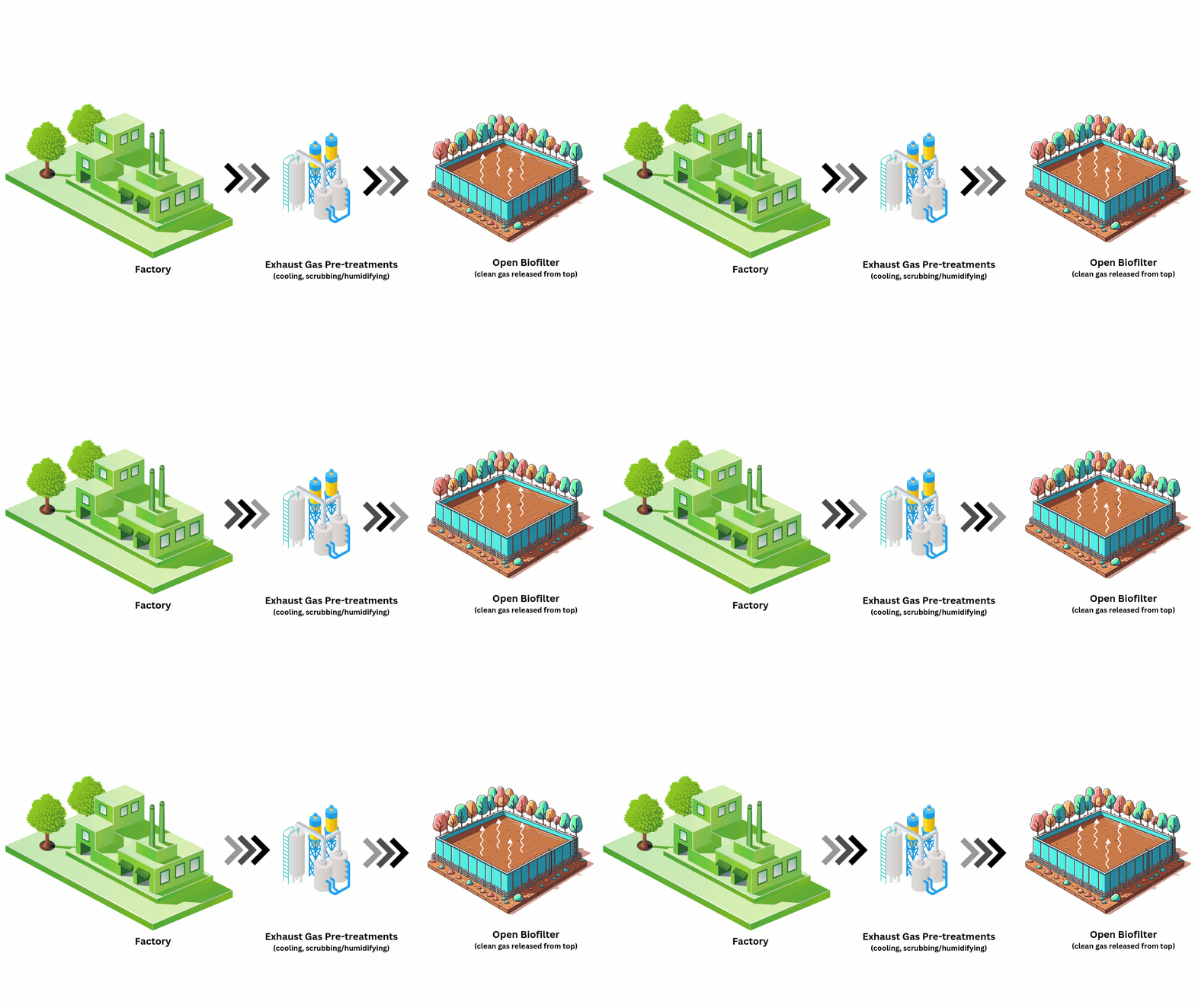
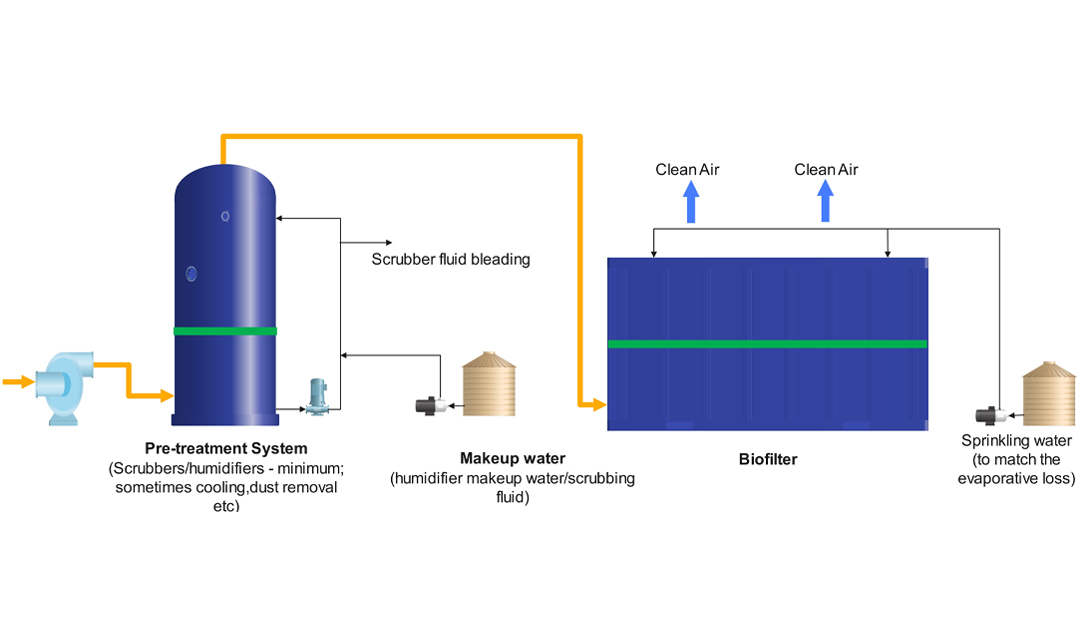
General Arrangement of a Biofilter System
The processes happening in the Biofilter are as follows: Initially, the pollutants are transferred from gas to liquid phase and then subjected to biodegradation by the biofilm. Bacteria constitute chunk of the microorganisms found in the biofilm. Among the bacteria, coryneforms, endospore formers (eg bacilli), pseudomonads and streptomyces are mainly used. The use of bacteria as the best candidate for use in biofilms have been after extensive research: types of microorganisms and their metabolic activities, isolation and characterization, the use of pure cultures, mixed microbial populations, effect of culture enrichment including application of specific strains and effects of external conditions on microbial activity.
Biofilters are fixed-bed bioreactors. During this operation, pollutants pass through a media bed in which active microorganisms are immobilized. This media bed causes the degradation of pollutants by biological oxidation. Good water retention capacity, presence of a dense and diverse microflora, large specific surface area, high porosity and intrinsic nutrients are some of the important requirements considered for making the media bed. The media bed is the region where the microorganism thrives and should be able to satisfy these conditions Organic materials are generally used for the preparation of bed media as these materials satisfy the requirements and are readily available at low cost. The contaminants that settle on the media bed constitute the nutrition for the biofilm by degradation. These microorganisms are generally neutrophilic, aerobic and mesophilic. Optimum moisture content is also important to ensure the survival of the biofilm ensuring that the moisture content is not too high or too low. 35- 40% of moisture is adequate for the biofilm. Pressure drop is also an important parameter and varies with the material that is used.
Biofilters are very useful and have been reported to remove many contaminants like hydrogen sulphide, dimethyl sulphide, ammonia, sulphur-containing gases and methanethiol. These are some of the common contaminants seen in wastewater treatment facilities, food waste and composting operations.
Schematic representation of biofilter
Bioscrubber
Bioscrubber is an odour treatment method said to be a combination of a gas scrubber and a biological reactor. In this process physical separation or absorption of odors in the liquid phase occurs in the gas scrubber and the biological treatment occurs in the bioreactor. The liquid leaving the bioreactor (effluent) is recirculated to the top of the column. This facilitates efficient gas cleaning of highly soluble pollutants.
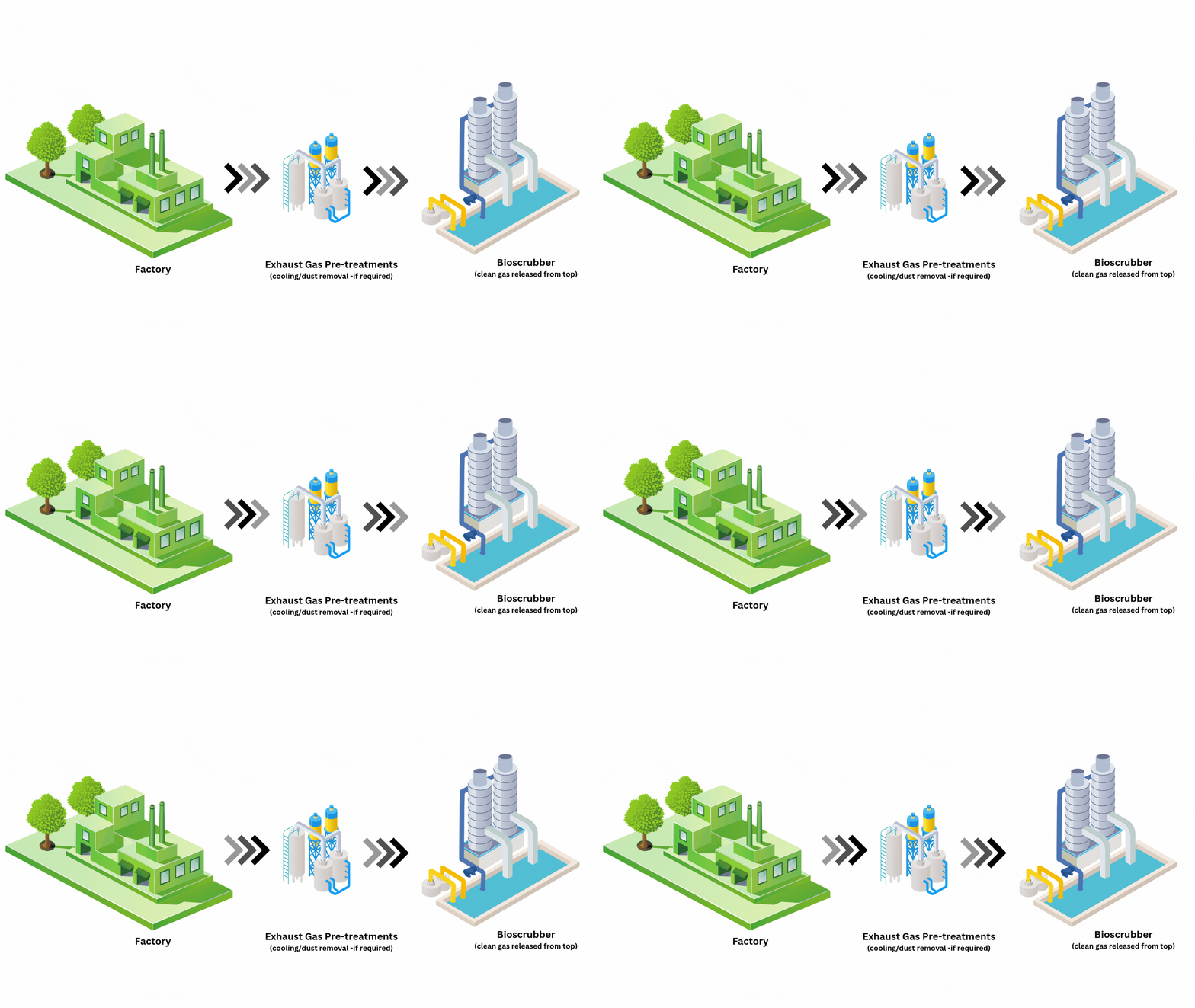
Pollutants in the air stream are removed through the bioscrubbers in the following ways: adsorption, absorption, condensation and biodegradation. It is generally preferred to use packed tower absorbers for bioscrubbers as others (wet cyclone, spray tower and venturi scrubber) show poor elimination efficiency for compounds with poor solubility in water. Generally, resistance to corrosion caused by gases and liquids, resistance to UV and thermal and mechanical resistance against temperatures are all considered while designing an absorption tower. The pollutant absorbed liquor from the scrubber undergoes continuous aeration in the bioreactor, and the active microbial culture converts the pollutant into CO2, H2O, and biomass.
The “lean” water, or bioreactor effluent, is cycled back to the absorber and used again. Bioreactors for bioscrubbing work on similar principles to activated sludge tanks used in wastewater treatment systems in terms of both design and operation. The primary distinction is that with bioscrubbing, the hydraulic retention period is typically significantly longer and equal to the sludge retention time. For this reason, bioscrubbers do not need sludge retention/separation facilities. The majority of bioscrubbers on the market today are made to remove just one type of pollutant. To give additional efficient odour management, increased operating flexibility, and other advancements in traditional designs of bioscrubbers have been examined, including the sorptive-slurry bioscrubber and the anoxic bioscrubber, airlift bioscrubber, spray column bioscrubber, two-liquid phase bioscrubber, or two-stage bioscrubber
A counter current packed tower is considered over a co-current or cross-flow towers owing to its lower pressure drop, lower energy costs and higher absorption efficiency. The ability of the bioscrubber to produce and sustain significantly larger volumes of microbial biomass in fewer process units, while retaining very high specific substrate utilization rates, is a considerable advantage over a typical biofilter and biotrickling filter. The bioreactor can be started by inoculation with activated sludge from a wastewater treatment facility and by microbial development. It relies on environmental factors like temperature, ionic strength, pH, and the presence of hazardous substances and substrate concentration. Bioscrubbers are generally used to remove ammonia, odours from wastewater treatment plants and hydrogen sulfide. The bioscrubber system is particularly advantageous when there is a good wastewater treatment plant available, thereby the load from the bioscrubber can be handled in the wastewater treatment plant and also the additional inventories such as blowers and tanks can be avoided.
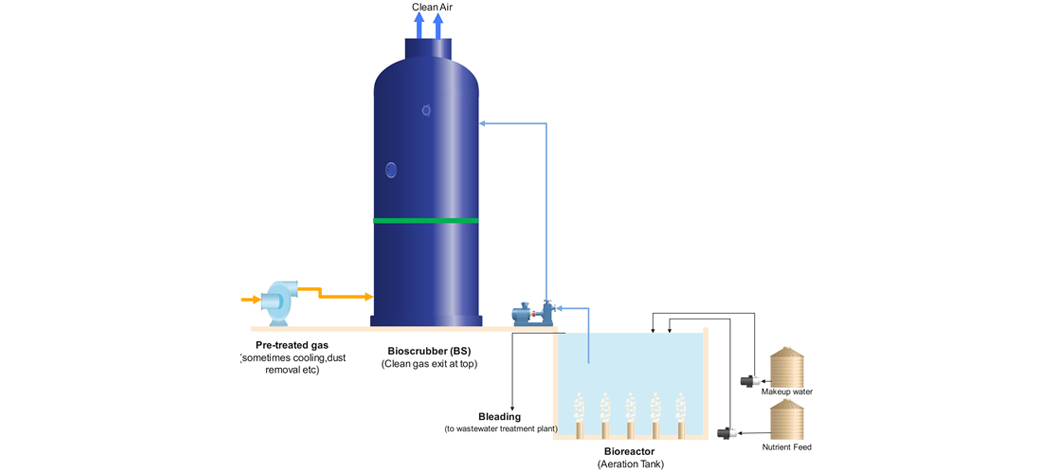 Schematic diagram of bioscrubber
Biotrickling filters
This is a recent technology using more sophisticated biological waste gas treatment equipment. Like biofilters, it uses microorganisms fixed on a media and aqueous solution containing essential nutrients is trickled over the filter bed. The microorganisms grow as a biofilm and as the solution reaches the biofilm, it degrades it. The filter beds are usually made of an inert material (natural or synthetic) such as open pore synthetic foam, dump plastic packing and structure plastic packing. Other materials that have been used are TDRP (Tire-derived rubber particle), glass, ceramics and lava rock. Like biofiltration this method is simple and of low cost and is quite effective removing up to 90% of volatile organic compounds (VOCs). It is also effective for removing nitrogen components, chlorine laden components and sulphur compounds. But require sophisticated control system and continuous monitoring and makeup of nutrients to ensure the adequacy of the treatment.
Biotrickling filters are a combination of biofilters and bioscrubbers in which bacteria are immobilized on a carrier or filter material. The filter bed must be always covered with water meaning water must be uniformly sprayed. The contaminants are absorbed and decomposed by the biofilm. The circulating liquid must be checked for its nutrients (serve as feed for biofilm), pH and salt concentration. Here gas which is irrigated with an aqueous solution containing essential nutrients is carried through the filter bed. The flow of gas can be in the co-current or counter-current mechanism. Some studies suggest that co-current is better. Most of the contaminants are degraded by the biofilm. The extent of action by the filter bed depends on the activity of the microorganisms present. The filter bed will be home to a large cluster of microorganisms- aerobic and anoxic. The primary degraders constitute only a small fraction and a much larger fraction is occupied by the secondary degraders like bacteria, yeasts, fungi, and protozoa. The secondary degraders play a noteworthy role in reducing rate of biomass accumulation and recycling inorganic nutrients. Biotrickling filters are operated in temperature range of 10-40 ℃ which is the best temperature for the growth of mesophilic organisms. They are generally used to remove contaminants like hydrogen sulphide, ammonia and methanethiol.
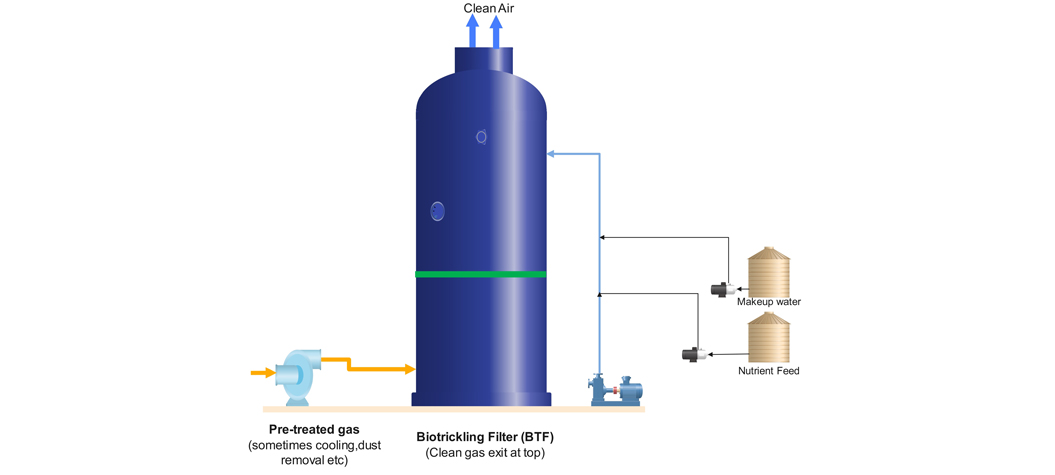
Schematic diagram of biotrickling filter
Conclusion
Industrial odours are a major problem. The primary cause of industrial odour pollution is the airborne presence of volatile chemicals that are transported with the wind. Odorous compounds are typically volatile, corrosive and irritating, even at very low concentrations, and cause odour nuisance due to their low odour thresholds. Measurement of odour is very important and this is done by various methods like Indicator tubes, Dynamic olfactometry, Gas chromatography and electronic noses. Numerous physical-chemical and biological odour control systems have been documented in the literature to reduce the annoyance of odours emanating from the industries. The advantages of biological procedures over other methods are their efficacy, affordability, chemical-free operation, and environmental friendliness. Biological methods include use of biofilters, bioscrubbers and biotrickling filters. The biological methods are being further developed promising a remarkable future for controlling industrial odours.
How to Treat the Exhaust Air from Poultry and Meat Processing Companies?
Industries like poultry and meat processing companies causes odour nuisance to the neighborhood. There have been several technologies to tackle this situation. The requirement of an exhaust air treatment system is determined on the basis of the size of the facility, the specific processing operations involved, the exhaust air volume, and pollutant load to be treated, and the resulting nuisance potential. Elixir enviro Systems Pvt Ltd (www.elixirenviro.in) is a pioneer in odour control. Elixir Enviro Systems Pvt Ltd designs the required upstream and downstream processes for the effective odour control strategy. The strategies include appropriate ventilation design and pretreatment steps for the optimal operation of the Odour Control Unit(OCU).
What kind of exhaust air treatment system should be used in a slaughterhouse? It could vary for different facilities and is purely decided on case-by-case basis. Here are the commonly used exhaust air treatment systems for slaughterhouses:
Biological exhaust air treatment
Biological elimination of pollutants from air is the most environmental-friendly technique since it ensures minimal use of chemical agents and in many cases, it comes as the lowest lifetime cost alternative compared with other treatment technologies. In biological exhaust air treatment, microorganisms are used to convert odour components to CO2 and H2O.
Bioscrubber
Bioscrubbers are also called Bio-washers. In the Bioscrubber, absorption of air pollutants and the reaction or degradation of the pollutants occurs in two reactors. In the first stage the air is being washed or gets in contact with the air having the pollutant load and the absorbent or the liquid absorbs the pollutant from the air. In the second stage, this absorbent is treated biologically and circulated back to the washing stage. If you look in general, the Bioscrubbers are mainly employed for highly soluble and low volatile compound treatment.
Bio-Trickling filter
The contaminated air is passed through the packing media made of inert materials. In these filters, a liquid phase is trickled into the media. The pre-humidification can be avoided in the bio-trickling filters as the water phase can provide the moisture for the biomass activity. In Bio-Trickling filters inert materials with chemical stability, low weight and good mechanical properties are preferred. These filters are well aerated systems and the microorganism responsible for the degradation are usually aerobic but deeper into the bed, there is also anaerobic degradation. The flip side of this process is the requirement of micro and macro-nutrient supplementation to assure that the microorganisms are getting enough nutrients for the growth. If this nutrient supplementation is not properly regulated, this can lead to clogging of the unit.
Biofilter
What is biofilter? It is basically a porous layer made up of organic material. It supports the microbial population. The odorous air is forced into the porous layer where the biological degradation takes place. Odor emission is controlled to over 95 percent with biofilters. It should be noted that media moisture content affects the functioning of biofilters. The biofiltration technology is an entrenched odour pollution control technology in various parts of the world.
Chemical Absorption
The solubility behaviour of contents determines the absorption of gas in liquid. In absorption too, the efficiency is determined by adjusting the pH to acidic or alkaline. Hence the absorbers function as chemical scrubbers.
Process combination
Rather than limiting to one technique, usage of a combination of techniques has proven to be more efficient in slaughterhouse facilities. For example, combination of chemical and biological processes is mostly practiced.
CONCLUSION
Odor emission is an important measure that should be taken by slaughterhouse or meat and poultry processing facilities for the well-being of humans and environment. Elixir Enviro Systems Pvt Ltd is a pioneer in the field of odour control from such industries. Different kinds of cost-effective and highly efficient odor control systems are designed and implemented by the company all over India.
UASB – Back Flush (An advanced high-rate anaerobic reactor for complex wastewater)
Anaerobic treatment
Anaerobic digestion is a biological treatment where the degradation of the organic matter happens in the absence of oxygen and produces biogas as a by-product. Anaerobic digestion of wastewater is the economic choice for the treatment of high-COD industrial effluents. High-rate anaerobic reactors extend the benefit of anaerobic treatment for medium and high strength effluent, substantially reducing the cost of effluent treatment plants. In an anaerobic digestion, a variety of micro-organisms have to work together to convert organic pollutants into biogas. Biogas contains 50 to 80% methane.
High-rate anaerobic reactors
High-rate reactors operate on the principle of decoupling biomass retention time from the hydraulic retention time. Examples of high-rate anaerobic reactors include the UASB (Up-flow Anaerobic Sludge Blanket) reactor and the Packed Bed Fixed Film reactor and the Fluidized Bed Fixed Film Reactor etc. The hydraulic retention time required for COD removal in high-rate reactors is small. This is important in reducing plant cost for the treatment of medium and high strength effluents which are usually discharged in large quantities.
Complex wastewaters
Complex wastewaters are the wastewater with having high undissolved or particulate COD. High-rate reactors are successful only for the treatment of effluents containing COD in dissolved form. There are no high-rate reactors, in use, for the treatment of complex wastewaters, i.e., wastewaters containing undissolved COD. The basic process of anaerobic degradation of complex effluent is:
1. Solubilization and hydrolysis: Insoluble COD converted to soluble compounds of lower molecular weight such as long chain fatty acids by enzymatic reactions using enzymes secreted by microbes
2. Acidogenesis – reactions that result in the formation of volatile fatty acids from long chain fatty acids – these carried out by acidogenic bacteria
3. Acetogenesis – formation of acetic acid, hydrogen and carbon dioxide from volatile fatty acids
4. Methanogenesis – formation of methane by a) break up of acetic acid b) synthesis from carbon dioxide and hydrogen
In general, or in case of wastewater having high soluble COD, the Methanogenesis turns out to be the rate-limiting step in the anaerobic treatment of wastewaters. On the other hand, Solubilization and hydrolysis are rate limiting in the anaerobic treatment of wastewaters with insoluble COD.
Example: Dairy wastewater and slaughterhouse wastewater are typical complex wastewater
Dairy wastewater is a high strength complex industrial waste. Untreated, the waste rapidly putrefies, causing severe odour. Conventional anaerobic reactors are unable to carry out biomethanation of fat in dairy wastewater. Therefore, many a times end up other removal steps for fats and suspended particles discharged along with the wastewater. The characteristics of dairy wastewater greatly depends on the products and dairy operation. For example: Milk effluent has characteristics different from that of cheese effluent or ice-cream effluent. Special attention has to be given to the following aspects of process and reactor design when dairy wastewaters are to be treated
- Fat content – fat is very slowly degraded in anaerobic reactors. Even after long fat retention time, a non-degraded residual fraction is retained in the reactor and accumulates in the sludge and as scum.
- Acidification – milk effluent is rapidly acidified by breakdown of lactose resulting in acidification. Acidified milk effluent has to be neutralized, by alkali addition or by alkalinity recycle, in order to enable high-rate methanogenesis.
- Coagulation of solids – milk solids are coagulated at low pH. Coagulated solids are more difficult to degrade than emulsified solids.
Hence, the anaerobic process for dairy wastewater is more effective when:
- Effluent is unacidified
- Reactor provides good back-mixing
- Sludge has high fat degradation activity
UASB reactor failure when applied for the treatment of some dairy wastewaters
The UASB reactor is an economical solution for the treatment of effluents which have substantially dissolved pollutants. It combines modern high-rate treatment technology with simplicity of design. In the UASB reactor, special gas-liquid-solid separators are mounted which enable collection of biogas and recycle of anaerobic biomass. The avoidance of internal packing in the reactor greatly reduces the cost of reactor construction. The UASB reactor works best when desirable micro-organisms are retained as highly active and fast settling granules. Granular seed sludge is required for quick start-up of such reactors.
But, when UASB is applied to dairy wastewaters, fat content of dairy wastewaters accumulates in the reactor adsorbed on methanogenic sludge and as scum on the gas-liquid interface. Eventually, sludge density is so reduced that catastrophic sludge washout occurs and reactor failure occurs.
The UASB – Back Flush
The UASB Back flush, is a unique solution to the high-rate anaerobic treatment of complex wastewaters. Anaerobic sludge, is retained in the reactor by a special low density granular filter system integrally provided in the reactor. Thus, the separation of sludge and its retention in the reactor is independent of the settleability of sludge.
UASB BackFlush– Principle of operation
The key feature of the UASB-BF is the granular bed filter, which retains sludge and effluent solids. The filter bed is kept free from choking by intermittent inverse fluidization, which backflushes retained solids into the reactor mixed liquor. The backflushing of filter bed is accomplished by a periodic release of gas accumulated in the reactor, thereby avoiding extra pumping systems and power consumption. The granular filter bed is constructed from non-degradable Plastic. Therefore, the UASB-BF is able to decouple both solids and biomass retention time from hydraulic retention time, while providing high mass-transfer conditions. The UASB-BF provides the performance of an anaerobic membrane bioreactor without the drawbacks of expensive systems and high-power costs. The UASB-BF retains all microflora – settling, dispersed and slow growing– enabling the development of high activity sludge.
Elixir Enviro Systems has designed several effluent treatment plants with UASB-BF based anaerobic digestion system. We do the process design, the operational optimization and effective implementation of Anerobic digestion of wastewater across the industries and are a market leader for effluent treatment plants. We have successfully implemented several effluent treatment plant with anaerobic digestion system, especially in ice-cream industries, rice-mill industries and dairy to name a few.
An Insight into Odour Control in Reclaim Rubber Factory
ODOUR POLLUTION
Odour emission from industrial and commercial establishment invariably attracts adverse public attention. Regulatory agencies have closed down industries because of odour complaints. Odour also affects worker health and labour relations. Until the development of gas biofilters, odour control system was expensive and inefficient.
RUBBER RECLAIMING
Rubber reclaiming refers to the process of reclaiming rubber from scrap tyres. Tyres are ground to small particles and subjected to devulcanizing. After devulcanizing the rubber is soft and can be compounded with additives and rolled into sheets that can be used as a raw material in the manufacture of new tyres. Chemical reclaiming uses devulcanizing chemicals and high temperature and pressure (20-22 bar) to soften ground rubber. These chemicals are aromatic organic compounds. The reaction is carried out in autoclave as batches. At the end of the reaction, the devulcanized mash is discharged after autoclave pressure is released.
SOURCES OF ODOUR
The autoclave pressure release contains a large amount of volatile organic compounds. Many of these are sulphur containing organic compounds formed from devulcanizing of rubber, which is essentially breaking of sulphur cross-linkages in vulcanized rubber. If condensed, the condensates from autoclave steam release, is extremely foul smelling and hence is an effluent discharge issue. The soft rubber mash discharged from autoclave is hot and is a source of odourous vapours. Another source is the handling and working of rubber during maceration and sheeting.
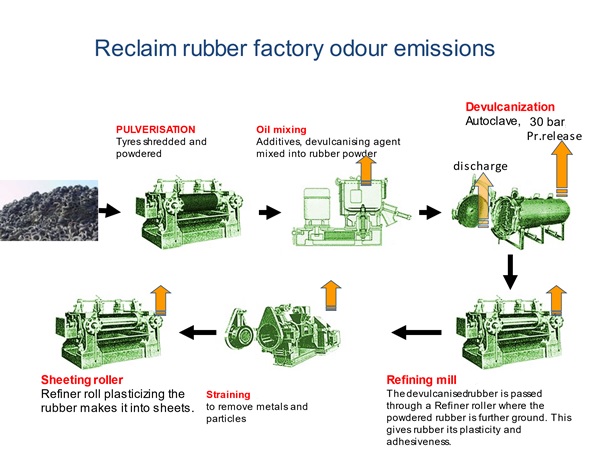
Figure 1: The orange upward arrow shows odour emission sources
ODOUR CONTROL
Hot autoclave release emissions are treated separately by direct incineration in the factory boiler. Scientifically calculated and automatically controlled release of vapour ensures complete combustion while boiler firebox temperatures are unaffected. The incineration system not only destroys odour but also eliminates effluent. The remaining low strength, low temperature vapour is better treated in the Biofiltration unit.
Biofiltration uses micro-organisms to remove undesirable components from industrial waste gases. Waste gases are forced through filter material on which micro-organisms are immobilised. After absorption in the filter material, micro-organisms break down the polluting components and transform them into harmless products such as carbon dioxide, mineral salts or acids and water. Biological waste air treatment processes offer a cost-effective solution for the treatment of large volumetric airstreams containing low levels of pollutants. They have found use in a broad spectrum of industries. Biofiltration is distinguished by its low operating costs, low maintenance requirements and low energy requirements. Properly designed biofilter achieve very high odorant removal efficiency (>99%).
Biofilters can be designed as low-cost open systems with single stage media. Where land is not available, biofilters can be provided as multi-storey units. Biofilters can also be located on roof of factory buildings to have maximum space savings.
ELIXIR BIOFILTER TECHNOLOGY
EES undertakes careful study of customer requirements before design of the odour control system. The most important step in the design of a successful odour control system is that characterisation and estimation of quantity of odour emissions. In most cases, direct measurement of quantity of emissions is impossible. It requires considerable skill and creativity to make reasonable estimates required for design.
Pre-treatment requirements and media composition have to be selected to suit the emission characteristics. Hot gases have to be cooled and humidified before biofiltration. Elixir Enviro Systems Pvt Ltd (www.elixirenviro.in) designs the ventilation system required to collect odour from open spaces like dumps or sumps and closed spaces such as sheds. Gas biofilter are best suited for emissions with low VOC concentration. For high strength emissions such as pressure reactor release, EES designs incineration system for odour control.
EES is biofilter media is advanced proprietary development originally based on license from the patented biofilter media of CSIR-NIIST. The media marketed by EES is known for its high-performance, low-cost BIOFILTER MEDIA. It features
Guaranteed performance and life
very low pressure drop,
Plug and play start-up to maximum activity,
high water holding capacity
green eco-friendly material
This biofilter media has the ability to accommodate highly varying “puff” loads which is a common occurrence from may industrial sources.
Bacteria are at the heart of a successful biofilter and a key factor is the growth of suitable microbial population. EES (www.elixirenviro) brings experience of Odour Control system in different fields and internationally recognized competence in biological treatment systems to guarantee biofilter performance.
Things You Need to Know about Odour Control Systems Today
Air- without it, life is over in seconds. Air is the most consumed gift of nature by humans. Yet we pay too little attention to managing air pollution.
Odour is a serious inconvenience for humans and brings about great irritation and physical stress to our day to day lives. The air we breathe in, the water we drink should be odourless and tasteless. The presence of foul odour indicates something toxic. The right to clean odour free air is part of the fundamental right to life. Industries, commercial establishments, municipalities and housing establishments have a legal responsibility to ensure that their activities don’t cause odour pollution and have proper Odour control systems.
SOURCES
The common sources of odour are:
- Food and Feed processing industries such as fish canning/processing, spice processing units and spice warehouses, bakeries, coffee grinding units, edible oil processing units, Shrimp-fish-pet feed industries, Slaughterhouses
- Chemical & Petrochemical industries including Extraction units – both colour and flavour, Latex and Rubber processing units, petroleum refineries, waste oil refining units, Bitumen hot mix plants, Pulp and Paper mills, printing houses, fiber glass units
- Petrol pumps
- Pharmaceutical and drug manufacturing units
- Fish and meat markets, commercial kitchens
- Reprocessing units such as Reclaim rubber units, Waste paper/carton reprocessing unit, plastic waste reprocessing units
- By-product’s processing units such as Bone Meal, Fish meal, Chicken feather meal, Slaughterhouse waste rendering
- Sewage pumping stations, sewage treatment plants
- Solid Waste transfer and treatment facilities
- Chicken farms, pig farming, cattle sheds
Since odour affects us and our fellow beings physically and mentally especially when exposed to it frequently or persistently, it is a growing concern at a humanitarian level, Hence the need of Odour control systems. This is why few skilled individuals devoted their time to find a solution for this inconvenience. Companies like Elixir Enviro Systems provide industries with technology to be environment friendly.
Why is it essential to have an odour control system in your industry?
1. To eliminate harmful health risks
Odour control systems are set up for welfare of the employees and those who live in the neighbourhood. Odour can cause vomiting, nausea, headache and mental fatigue which will interfere with their day to day lives. We are liable to keep the impacts of our operations from harming others.
2. Control Air Pollution
It is popular knowledge that industries are the biggest contributors to air pollution. Children are cursing industries for taking away the quality of our environment and leaving them with no good air to breathe. Odour control systems remove odour due to harmful gases from the air. It’s high time industries act with responsibility.
3. Free of Complaints
Irritation caused due to odour can lead the nearby residents to file a complaint against your industries to the concerned officials. If the complaint is valid, you would be facing legal cases. Save yourself from such chaos by investing in an efficient odour control system.
How to control odour?
Odour emitted from industries contains complexes chemical compositions. The first and foremost thing about odour control is the effective capture of the odour from the factory. To capture the odour, a proper exhaust ventilation system has to be designed. Once the odour is collected, the next thing is the selection and careful implementation of the suitable odour control system. A wide range of odour abatement technologies is available including Biofilters, Bioscrubbers, physical adsorption, Chemical scrubbing and catalytic/thermal oxidation systems. Spraying “deodarants” are wrong practice and do not control or eliminate the odour from the exhaust gas. The choice of the treatment to be used depends on many factors including required odour removal efficiencies, flow rate & inlet odour concentration, type of chemical species in the odour, variability in flow and load, space requirements and infrastructure (power, drainage, etc). Biofilter is considered to be an ecofriendly and cost-effective technology to eliminate the volatile organic compounds (VOCs), H2S, Ammonia and other odorous gases from the exhaust gas stream.
CONCLUSION
Be a part of the movement to shift our industrial activities from non-ecological to environment friendly. Elixir Enviro Systems provide you with scientifically engineered technology-based Odour control systems to beat odour related issues.